

If you're an athlete, coach, or fitness enthusiast trying to decide between AI-powered training plans and traditional coaching, you're not alone. With technology advancing rapidly and sports science evolving, it's getting harder to know which approach will actually get you faster, stronger, and more competitive.
Here's the short answer: AI training plans deliver faster initial results and immediate feedback, while hybrid approaches combining both methods produce the strongest long-term performance gains.
Let's break down exactly why this is the case and help you figure out what's best for your specific situation.
What Makes AI Training Plans So Fast?
Real-Time Feedback That Never Sleeps
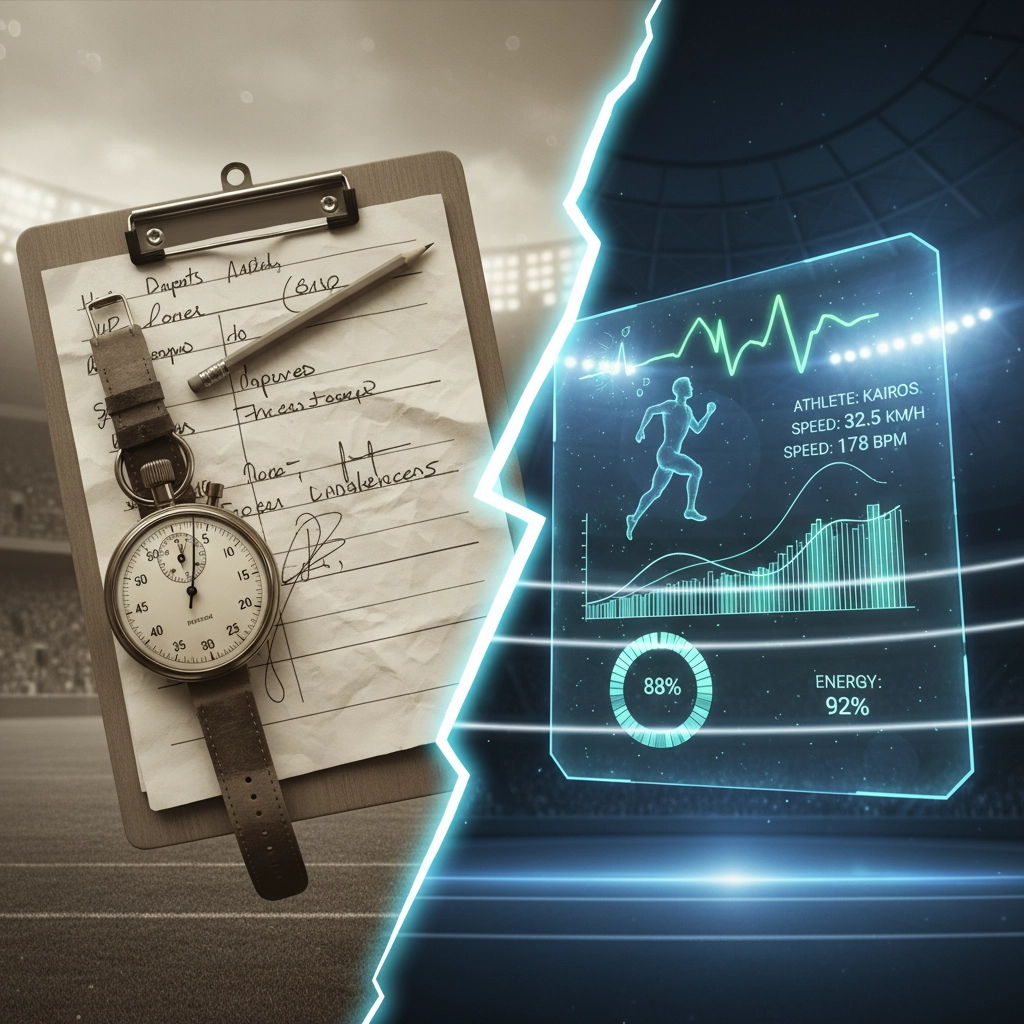
The biggest advantage of AI training platforms is instant feedback. While traditional coaches might review your performance days or weeks later, AI systems analyze your data in real-time and adjust your training immediately.
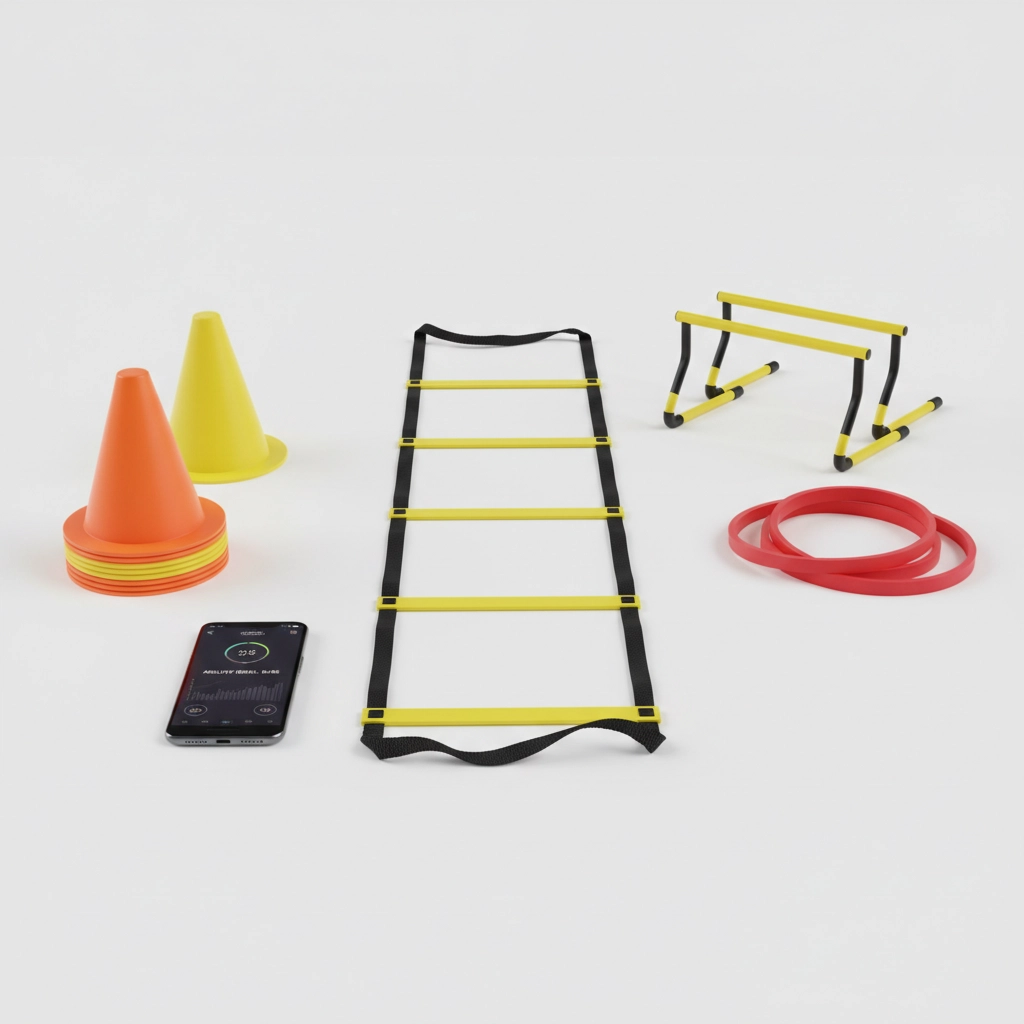
Think about it this way: if you're working on sprint mechanics with agility training equipment, an AI system can:
- Track your times instantly
- Spot technique issues through video analysis
- Adjust your next set based on fatigue levels
- Modify your weekly plan if you're overtraining
This means you're not waiting until your next coaching session to fix problems or capitalize on improvements.
Scalability Without Quality Loss
Traditional coaches are limited by time and availability. Even the best coach can only work with a certain number of athletes effectively. AI doesn't have these constraints.
Recent studies show that AI coaching platforms can handle unlimited participants while maintaining consistent quality. For team sports, this is huge – every player gets the same level of detailed analysis and personalized feedback.
Data-Driven Personalization
AI systems excel at crunching massive amounts of data to create truly personalized training plans. They consider:
- Your current fitness level
- Recovery patterns
- Performance history
- Injury risk factors
- Schedule constraints
- Equipment availability
This level of personalization used to require expensive one-on-one coaching. Now it's available through AI platforms at a fraction of the cost.
The Numbers Don't Lie
Research from 2024 shows some impressive statistics:
- 71% improvement in workout adherence when using AI coaching
- 37% higher goal achievement rates for athletes who use AI coaching frequently
- 96% user satisfaction with AI coaching platforms
- 25% better knowledge retention when AI is combined with human oversight
Traditional Coaching: Where Humans Still Shine
Emotional Intelligence and Motivation
Human coaches bring something AI can't replicate: genuine emotional connection and understanding. They can:
- Read your body language and mood
- Provide motivation during tough training periods
- Offer life advice that extends beyond athletics
- Build trust through shared experiences
This emotional support is crucial for athletes dealing with pressure, setbacks, or major competitions.
Complex Problem-Solving
When you're facing a complicated technical issue or need to strategize for specific opponents, experienced coaches draw on years of diverse situations. They can:
- Adapt strategies based on weather conditions
- Make real-time tactical adjustments during games
- Provide context from similar situations they've encountered
- Offer wisdom that goes beyond data points
Accountability and Relationship Building
There's something powerful about knowing a real person is invested in your success. Traditional coaches create accountability through:
- Scheduled check-ins you can't easily skip
- Personal relationships that motivate consistency
- Face-to-face interactions that build trust
- Celebration of achievements with genuine enthusiasm

Head-to-Head Comparison: Speed vs. Depth
| Factor | AI Training Plans | Traditional Coaching |
|---|---|---|
| Speed of Results | Immediate feedback and adjustments | Delayed until next session |
| Availability | 24/7 access, no scheduling needed | Limited to appointment times |
| Cost | Fraction of personal coaching fees | Higher investment per athlete |
| Personalization | Data-driven, continuously adapting | Experience-based, slower to adjust |
| Motivation | Gamification and progress tracking | Personal relationship and accountability |
| Complex Situations | Limited to programmed responses | Creative problem-solving ability |
| Consistency | Same quality every interaction | Variable based on coach's day/mood |
Which Actually Gets You Faster Results?
For Immediate Performance Gains: AI Wins
If you need to see improvements quickly – say you have a competition in 8 weeks – AI training plans have the edge because they:
- Provide instant technique corrections
- Optimize your training load in real-time
- Track micro-improvements that add up fast
- Never miss a session or provide inconsistent advice
For Long-Term Athletic Development: Hybrid Approach Dominates
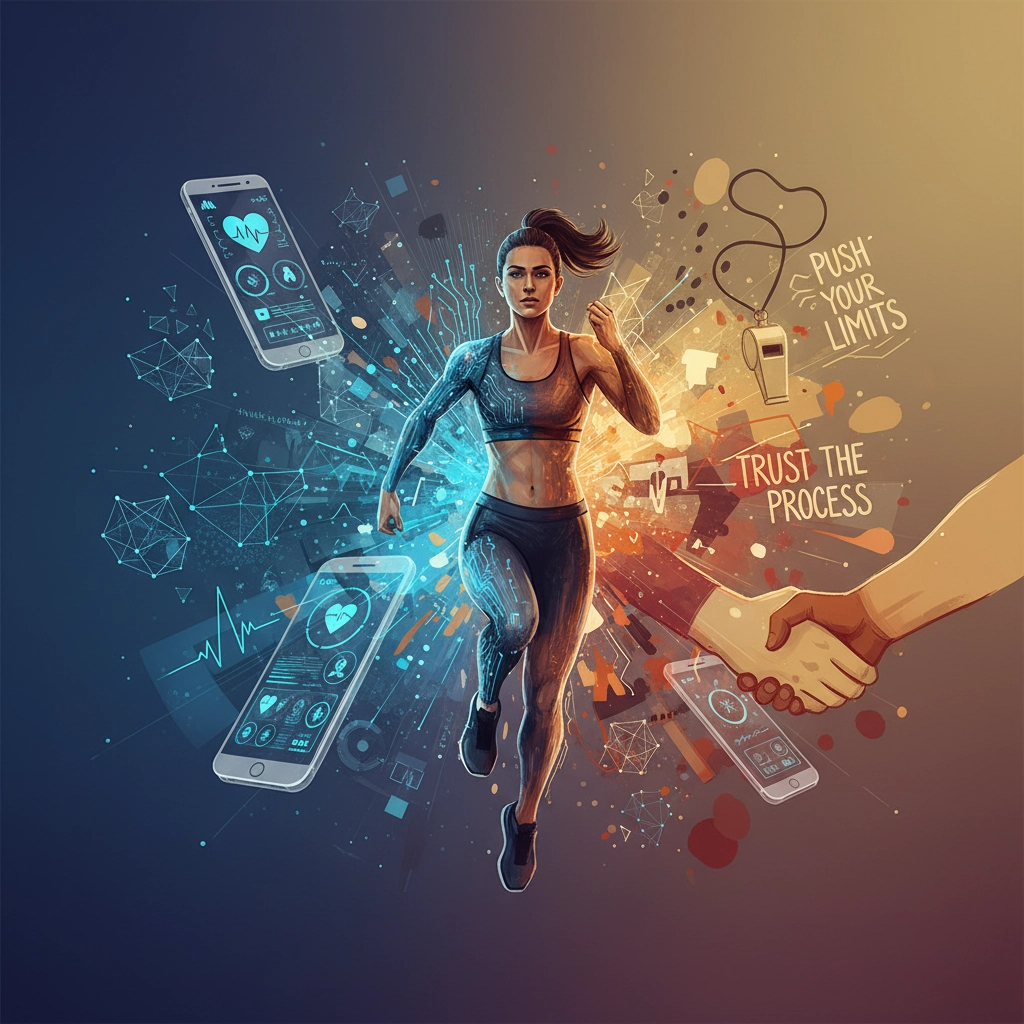
The research is clear: combining AI and human coaching produces the best results. Companies using hybrid models see:
- 25% boost in performance compared to traditional-only approaches
- 20% improvement in specific skills with 15% less training time
- 40% more participation and better knowledge retention
Here's why the hybrid approach works so well:
- AI handles the consistent, data-heavy analysis
- Humans provide emotional support and strategic thinking
- AI never gets tired or has bad days
- Humans adapt to unique situations AI hasn't seen before
Choosing the Right Approach for Your Goals
Go with AI Training Plans If You:
- Need rapid skill development or performance improvements
- Train solo or have limited access to quality coaches
- Want 24/7 access to coaching feedback
- Are working with a tight budget
- Have clear, measurable goals (faster sprint times, higher jumps, etc.)
- Prefer consistent, data-driven feedback over emotional support
Perfect for: Individual sports, technique refinement, speed and agility training, self-motivated athletes
Choose Traditional Coaching If You:
- Need emotional support and motivation
- Face complex strategic challenges
- Value the mentorship aspect of coaching
- Compete in team sports requiring tactical adjustments
- Have the budget for personalized human coaching
- Struggle with self-motivation or consistency
Perfect for: Team sports, young athletes, competitive seasons, major technique overhauls
Opt for Hybrid Coaching If You:
- Want the fastest possible improvement
- Have access to both resources
- Are serious about long-term athletic development
- Compete at higher levels where marginal gains matter
- Want to future-proof your training approach
Making It Work with Your Current Setup
If You're Starting with Basic Equipment
Don't worry if you're not working with high-tech gear. You can start incorporating AI coaching principles with simple tools:
- Use smartphone apps that analyze your movement
- Track your progress with basic training equipment
- Follow structured programs that adjust based on your feedback
- Supplement with online coaching platforms
Building Your Hybrid System
-
Start with AI for daily training
- Use apps for technique analysis
- Follow data-driven workout plans
- Track all your performance metrics
-
Add human coaching for strategy
- Monthly check-ins with an experienced coach
- Video analysis sessions for major technique work
- Competition preparation and mental training
-
Use both for accountability
- AI tracks your daily consistency
- Human coach provides motivation and course corrections
The Bottom Line: Speed vs. Sustainability
For immediate results and rapid improvement, AI training plans are your best bet in 2025. They provide instant feedback, never sleep, and can analyze your performance with precision that surpasses most human coaches.
But for sustainable, long-term athletic development, the hybrid approach combining AI efficiency with human wisdom produces the best outcomes. You get the speed of AI with the depth and emotional intelligence of human coaching.
The good news? You don't have to choose just one. Start with what fits your budget and goals today, then evolve your approach as you progress. Whether you're working on basic agility drills or preparing for elite competition, the key is consistent, progressive training that adapts to your individual needs.
Your athletic journey is unique, and in 2025, you have more tools than ever to accelerate your progress. The fastest results come from choosing the right combination of technology and human expertise for your specific situation – and then staying consistent with whatever approach you choose.


