

If you've been wondering whether speed ladders are still worth your time, you're not alone. The short answer? They're not dead, but they're definitely not the speed miracle many people think they are.
Here's what's actually happening: smart coaches aren't throwing speed ladders in the trash, but they are getting a lot more strategic about when and how they use them. The real shift is understanding what speed ladders actually do versus what we thought they did.
The Truth About What Speed Ladders Actually Do
Let's clear this up right away. Speed ladders are fantastic for:
• Footwork and coordination - Getting your feet to move in specific patterns
• Agility and quickness - Sharp directional changes in tight spaces
• Motor control - Teaching your brain to control rapid foot movements
• Warm-up routines - Getting your nervous system firing
But here's the kicker: Speed ladders don't make you faster in a straight line.
Think about it this way - doing rapid tiny steps in a ladder is like learning to type really fast on a tiny keyboard. Sure, your fingers get quick, but it doesn't help you play piano better. Speed ladders train rapid foot placement in a confined space, not the biomechanical factors that actually drive sprinting speed.

Real speed comes from:
- Stride length and stride frequency
- Lower body strength (glutes, hamstrings, calves, quads)
- Running mechanics and posture
- Power output from each step
Speed ladders touch on exactly none of these factors.
Why Coaches Are Evolving Their Approach
The research tells a mixed story, and that's exactly why coaches are getting smarter about their approach:
The Good News: A 12-week study found significant improvements in explosive power and kicking ability in soccer players using agility ladders.
The Reality Check: Other studies on youth soccer players found agility ladder training showed no significant improvements in dribbling speed, agility tests, or overall physical fitness.
The pattern is clear - speed ladders work for very specific skills (footwork, coordination) but fall short for overall athletic development. Modern coaches are realizing they need a more complete toolkit.
The 7 Alternatives Smart Coaches Are Using
1. Resistance Training with Harnesses and Parachutes
Instead of tiny, controlled steps, resistance training forces athletes to maintain proper sprinting form while overcoming load. This builds the actual strength and power that translates to speed.
Why it works: You're training the exact movement pattern you want to improve - sprinting - while adding resistance to build strength.
Try this: 3-4 sprints of 20-30 meters with a resistance parachute or training harness, followed by the same distance without resistance.
2. Cone Drills with Variable Distances
Rather than fixed ladder spacing, cone drills let you create sport-specific movement patterns that actually mirror game situations.
The advantage: You can adjust spacing, angles, and directions to match what happens in your sport. A soccer player needs different footwork than a tennis player.
Sample pattern: 5-10-5 shuttle, L-drill, or figure-8 patterns with cones placed 5-10 yards apart.
3. Plyometric Box Jumps and Bounds
These build the explosive power that actually translates to faster first steps and higher top speeds.
Why it's better: You're training your muscles to produce maximum force in minimum time - exactly what sprinting requires.
Start here: 3 sets of 5 box jumps (focus on landing softly), then progress to single-leg bounds and lateral jumps.
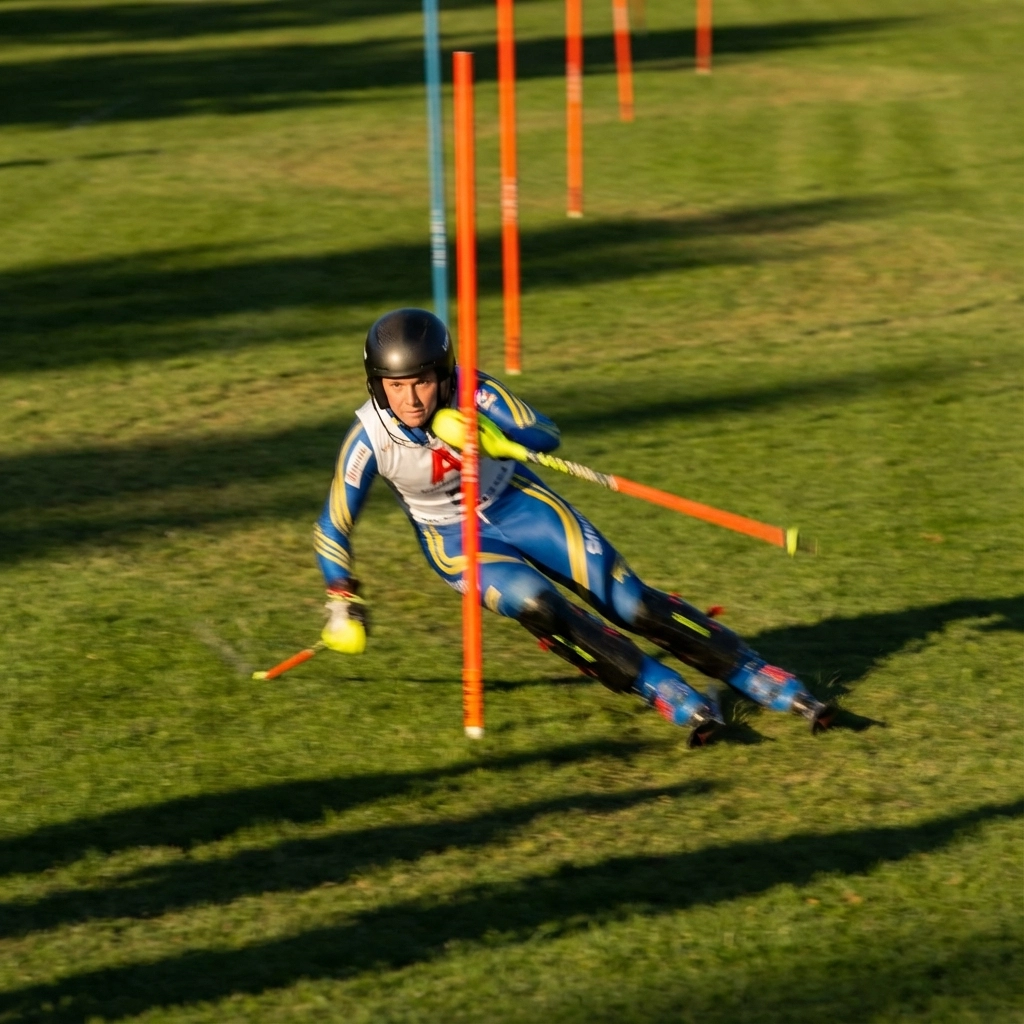
4. Slalom Pole Weaving
Slalom poles offer the agility benefits of ladders but with more realistic spacing and the need for body lean and balance.
Game changer: You're not just moving your feet fast - you're learning to control your entire body through direction changes.
Drill idea: Weave through 6-8 poles spaced 2 meters apart, focusing on smooth hip rotation and minimal deceleration.
5. Sprint Variations with Proper Mechanics
Nothing beats actually practicing the skill you want to improve. But instead of just running fast, these focus on specific aspects of sprinting form.
Variations that work:
• A-skips: High knee marching to improve stride frequency
• Butt kickers: Heel-to-glute contact for better recovery mechanics
• Straight leg bounds: Emphasizing power and stride length
• Acceleration runs: 10-15 meter buildups focusing on body position
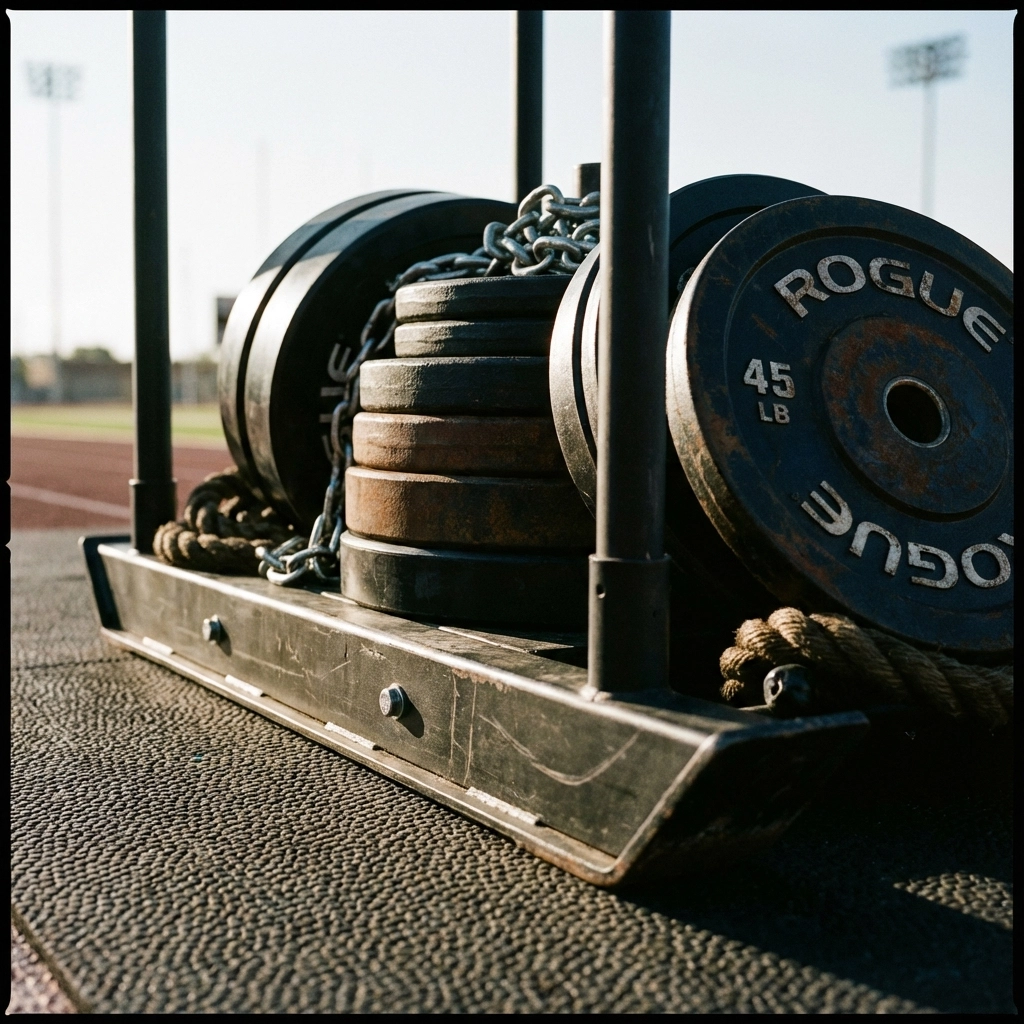
6. Weighted Sled Training
Power sleds force you to maintain forward body lean and powerful leg drive - two keys to acceleration that speed ladders completely miss.
The benefit: You're overloading the exact muscles and movement patterns used in sprinting acceleration.
Protocol: Load the sled with 10-15% of your body weight and push for 10-20 meters, focusing on small, powerful steps and forward lean.
7. Resistance Band Training
Heavy resistance bands let you train sport-specific movements with accommodating resistance - the band gets harder to stretch as you move faster.
Why coaches love them: They're portable, versatile, and you can train movements in all planes of motion.
Power moves: Resisted arm swings, leg drives, and lateral shuffles that build strength in sprint-specific positions.
When Speed Ladders Still Make Sense
Don't throw your speed ladder away just yet! They're still valuable in these specific situations:
Warm-up and Activation
Use them to get your nervous system firing before more intense training. Think 2-3 simple patterns for 30-60 seconds total.
Injury Return Protocols
The controlled, low-impact nature makes them perfect for athletes returning from lower leg injuries who need to rebuild movement confidence.
Youth Development (Ages 8-12)
For younger athletes still developing basic movement patterns, speed ladders can teach fundamental coordination skills.
Sport-Specific Footwork
Boxers, tennis players, and dancers can benefit from the precise foot placement patterns that ladders teach.
Your Action Plan: Building a Complete Speed Training System
Here's how to structure your training if you want to actually get faster:
Foundation Phase (Weeks 1-4):
• 2x per week: Basic sprinting mechanics (A-skips, butt kickers, straight leg bounds)
• 1x per week: Plyometric training (box jumps, single-leg hops)
• Optional: Speed ladder work for warm-up (5 minutes max)
Development Phase (Weeks 5-8):
• 2x per week: Resistance training (sleds, bands, or parachutes)
• 2x per week: Cone drills with sport-specific patterns
• 1x per week: Max velocity sprints (30-40 meters)
Performance Phase (Weeks 9-12):
• 3x per week: Competition-specific speed work
• 2x per week: Power maintenance (plyometrics + resistance)
• 1x per week: Speed testing and evaluation
The Bottom Line
Speed ladders aren't dead - they're just finally being used correctly. They're one tool in a much larger toolkit, not the magic bullet many people thought they were.
If you want to get genuinely faster, focus on building strength, improving your sprinting mechanics, and training movements that actually transfer to your sport. Use speed ladders for what they're good at - coordination and footwork - but don't expect them to shave seconds off your 40-yard dash.
Your feet might get quicker in a ladder, but your legs will get faster with the right combination of strength, power, and proper sprint training. That's the difference between fast feet and actually being fast.
Ready to build a speed training system that actually works? Check out our complete range of training equipment and start building real speed, not just quick feet.


