

You're not alone if you've noticed fewer players showing up to practice, or if finding quality gear for your sport has become harder and more expensive. When a sport loses mainstream appeal, everything changes – from equipment availability to community support. But here's the thing: declining popularity doesn't mean you have to compromise on your training quality.
Smart athletes know how to adapt. Whether you're into handball, field hockey, or any other sport that's seeing reduced participation, choosing the right agility equipment becomes even more crucial. You need gear that works harder, lasts longer, and gives you maximum versatility for your training dollar.
1. Why Equipment Choices Matter More When Your Sport Is Struggling
When fewer people play your sport, manufacturers produce less specialized equipment. This creates a ripple effect that impacts everything from pricing to quality control. You might face:
• Limited product options – fewer models and variations to choose from
• Higher prices – smaller production runs mean higher per-unit costs
• Longer wait times – specialized items may be backordered for weeks or months
• Reduced innovation – less investment in new technology and design improvements
• Difficulty finding replacements – broken equipment might be impossible to replace quickly
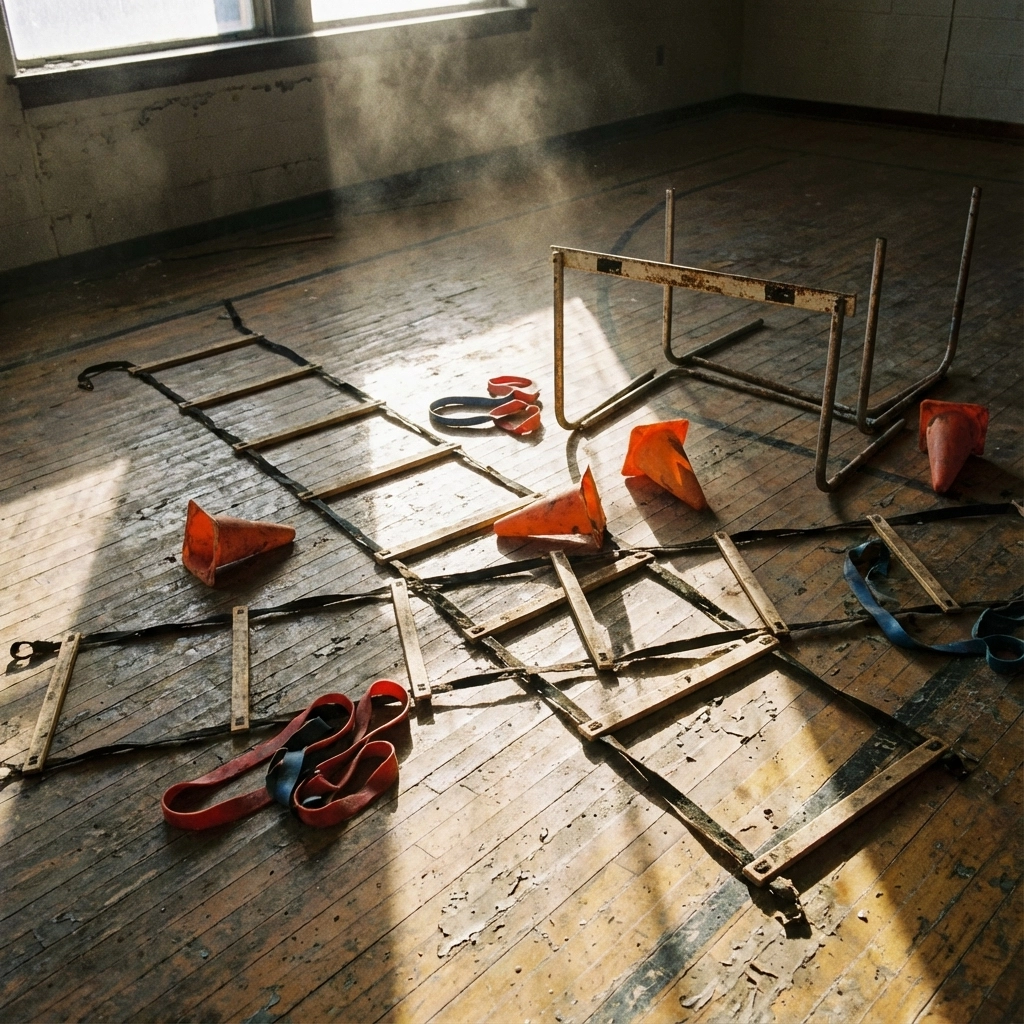
This reality means every equipment purchase needs to count. You can't afford to buy something that breaks after six months or only serves one narrow training purpose.
2. Focus on Multi-Sport Agility Fundamentals
The smartest approach? Invest in agility equipment that transcends sport-specific boundaries. These training tools work for almost any athletic pursuit:
Speed and Agility Ladders
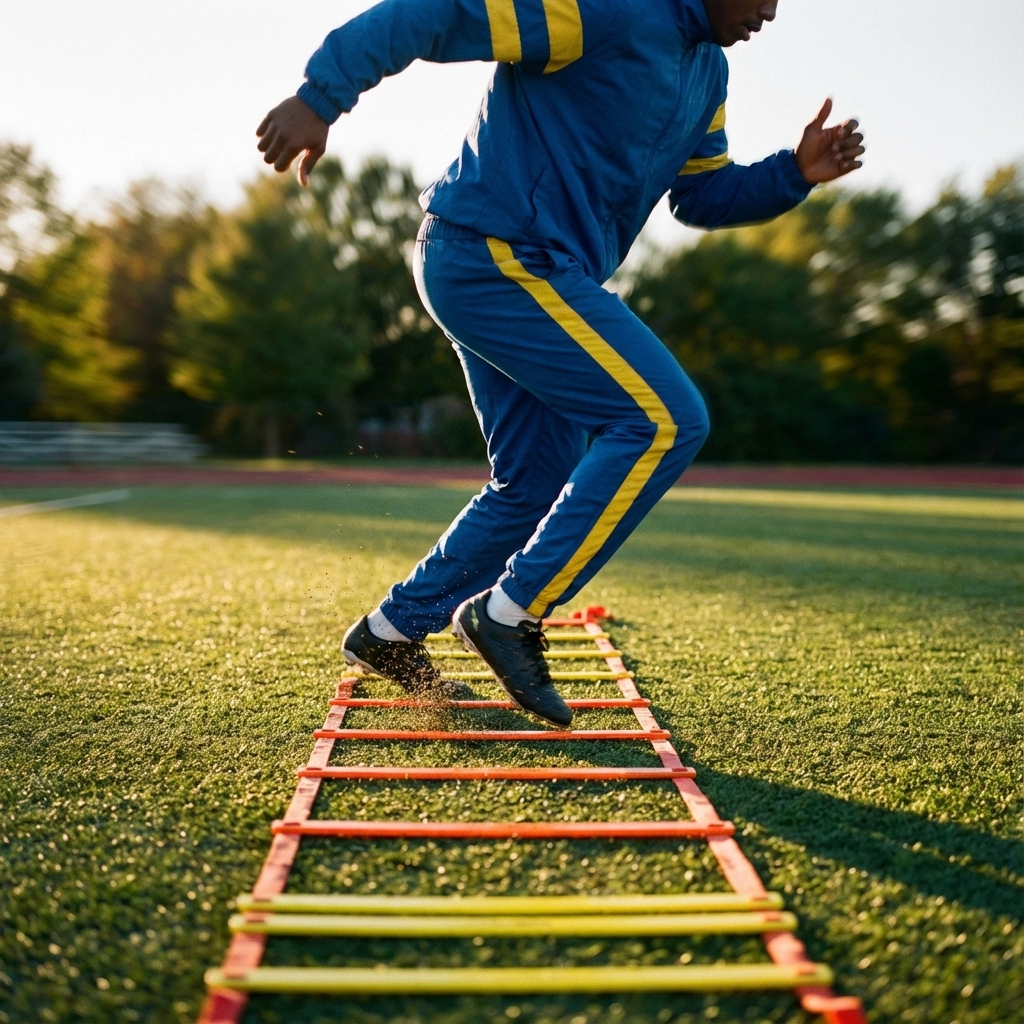
Speed training ladders are incredibly versatile. Whether you're training for tennis, soccer, or basketball, footwork patterns remain surprisingly similar. Look for ladders that:
• Adjust easily – flat rungs that lay flush with the ground
• Connect together – ability to create longer sequences
• Handle outdoor use – weather-resistant materials
• Pack down small – portability for training anywhere
Resistance Training Tools
Resistance bands and parachutes build explosive power regardless of your sport. A quality resistance training setup helps develop:
• Acceleration from static positions
• Deceleration control
• Change of direction strength
• Sport-specific movement patterns
Cone and Marker Systems
Simple but effective. Cones let you create any drill pattern imaginable. Invest in bright colors that are visible in various lighting conditions, and get different sizes for different drill purposes.
3. Prioritize Durability Over Everything Else
When replacement equipment is harder to find, durability becomes non-negotiable. Here's how to spot gear that will last:
Construction Quality Indicators
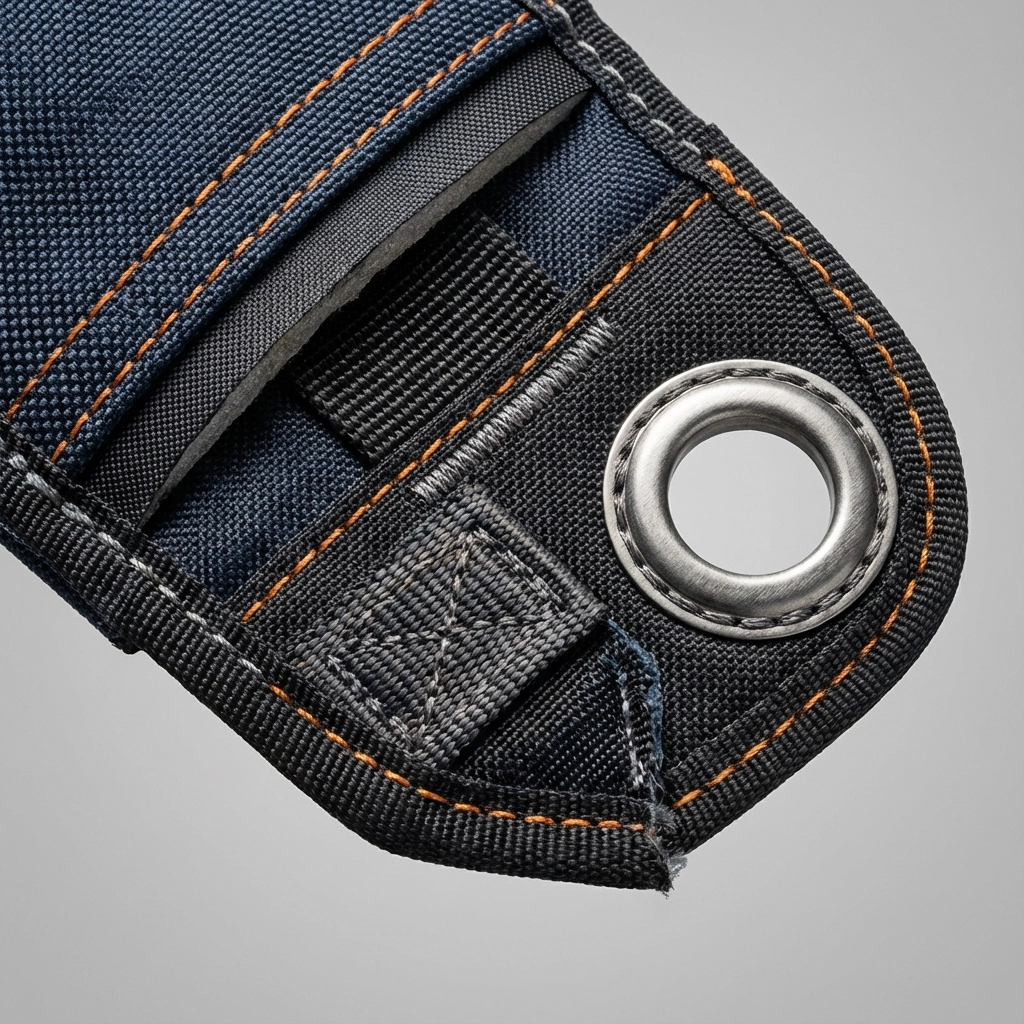
• Reinforced stress points – look for double-stitching, metal grommets, or reinforced joints
• Weather resistance – UV-resistant materials won't degrade in sunlight
• Impact resistance – equipment that can handle being stepped on or kicked
• Easy maintenance – gear you can clean and repair yourself
Materials That Last
Avoid cheap plastics that become brittle over time. Look for:
• Commercial-grade vinyl for inflatable items
• Powder-coated steel for frame components
• High-density foam that won't compress permanently
• Reinforced fabric that resists tearing
4. Build Your Training Kit Strategically
Think of equipment selection like building a toolkit – you want pieces that complement each other and cover all your training needs.
The Essential Base Kit
Start with these versatile pieces:
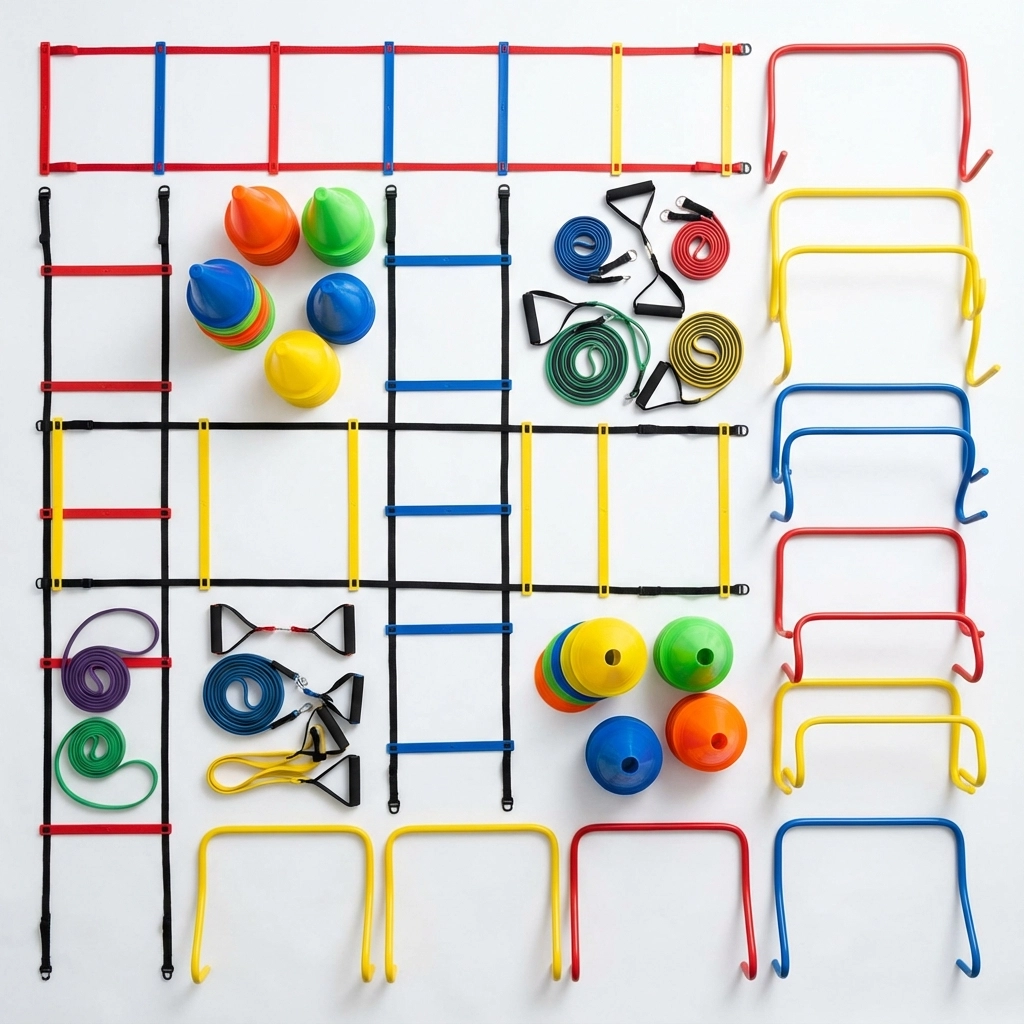
• Agility ladder – footwork and coordination
• Set of cones (8-12 pieces) – marking boundaries and targets
• Resistance bands or parachute – power development
• Speed hurdles (adjustable height) – plyometric training
• Reaction training tool – tennis balls or reaction lights
Progressive Additions
Once you have the basics covered, add specialized items:
• Agility poles – for weaving and lateral movement drills
• Plyometric boxes – for jump training and depth work
• Balance training tools – stability balls or balance boards
• Target training aids – for accuracy and precision work
5. Maximize Equipment Versatility Through Creative Usage
The best agility equipment serves multiple training purposes. Get creative with how you use your gear:
Speed Ladder Variations
Beyond standard footwork patterns:
• Use as boundary markers for lateral shuffles
• Create reaction training by calling out specific squares
• Combine with resistance bands for powered movements
• Set up multiple ladders for competition-style drills
Cone Creativity
Cones aren't just for marking spots:
• Stack them to create variable height targets
• Use as balance challenges in single-leg exercises
• Create gates for ball-handling or stick-work drills
• Set up complex change-of-direction patterns
6. Smart Shopping Strategies for Declining Sports
Buy in Bulk When Possible
When you find quality equipment at good prices, buy extra. Store properly maintained backup gear so you're not scrambling when something breaks mid-season.
Connect with Other Athletes
Network within your sport's community. Often, athletes switching sports or retiring will sell quality equipment at reasonable prices. Online forums and social media groups can be goldmines for deals.
Consider Cross-Training Equipment
Look at gear used by related sports. Field hockey players might benefit from lacrosse training tools. Handball players can adapt soccer agility drills. This expands your equipment options significantly.
Timing Your Purchases
Buy during off-seasons when demand is lower. End-of-year sales often clear out inventory, and you might snag professional-grade equipment at amateur prices.
7. Future-Proof Your Training Setup
Choose equipment that will remain relevant even if your sport continues to decline:
Universal Training Principles
Focus on gear that develops:
• Basic movement patterns – acceleration, deceleration, change of direction
• Core athletic abilities – balance, coordination, reaction time
• Transferable skills – footwork, spatial awareness, timing
Modular Systems
Invest in equipment that can be reconfigured:
• Adjustable hurdles that work for multiple heights
• Modular agility systems that create different courses
• Resistance tools with variable intensity settings
8. Making the Most of Limited Resources
Community Sharing Programs
Consider organizing equipment sharing with other athletes. Pool resources to buy higher-quality gear that individuals couldn't afford alone.
DIY Alternatives
Some agility training tools can be made effectively at home:
• PVC pipe hurdles for basic jumping drills
• Rope ladders for footwork training
• Weighted sleds using tires and rope
• Reaction training using tennis balls and targets
Multi-Use Facilities
Train at locations that already have agility equipment available. Many gyms, schools, and recreation centers have agility training setups you can use, saving money for sport-specific gear.
Your Next Steps
Don't let declining participation derail your training goals. Start by assessing what you currently have, then prioritize the gaps in your training arsenal. Focus on one or two high-quality, versatile pieces rather than trying to build everything at once.
Remember: the athletes who thrive when their sport loses popularity are the ones who adapt smartest, not necessarily those who spend the most. Choose equipment that will serve you for years, across multiple training scenarios, and you'll keep improving regardless of what happens to your sport's mainstream appeal.
Your training consistency matters more than having the latest gear. With the right agility equipment foundation, you can maintain and even improve your performance while others struggle with the changing landscape of your sport.


