
Do You Really Need Premium Training Gear? Here's the Truth for Team Coaches
by Paul Harwood
·
Let's be honest: when you're scrolling through catalogs of training equipment for coaches, it's easy to feel overwhelmed. Should you drop £200 on those premium cones, or will the £15 budget set do the job? You're not alone in wondering this. Every coach, whether you're starting out or running a youth team on a tight budget, faces this question.
Here's the truth: you don't always need premium gear to run brilliant training sessions. But sometimes, investing a bit more actually saves you money in the long run. Let's break down when to splurge and when to save.
What Actually Makes Training Gear "Premium"?
Before we dive into comparisons, let's talk about what separates top-rated coaching equipment from budget options:
Premium gear typically offers:
- Thicker, more durable materials (think heavy-duty PVC instead of thin plastic)
- Better weather resistance for year-round outdoor use
- Longer warranties (sometimes 2-3 years vs. 90 days)
- More refined features like weighted bases or reinforced stitching
- Brighter, longer-lasting colors that don't fade after a few months
Budget gear usually means:
- Lighter materials that get the job done but wear faster
- Standard features without bells and whistles
- Shorter lifespan (often 1-2 seasons vs. 3-5 years)
- Perfectly functional for occasional or indoor use
Neither option is "bad": it all depends on your specific coaching situation.
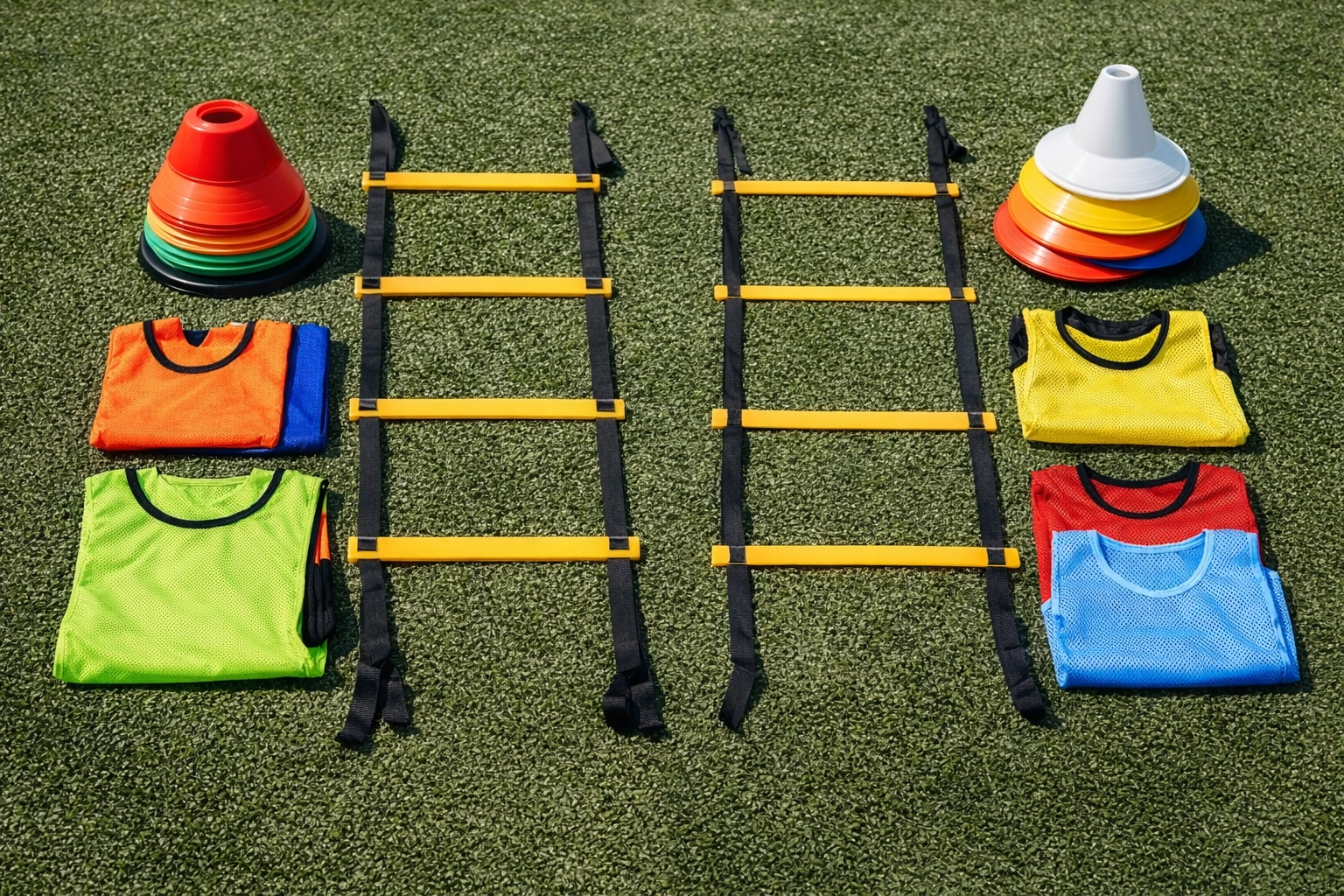
The Essential Equipment Breakdown: Premium vs. Budget
1. Cones and Markers
Budget Option (£10-£20 for a set):
These lightweight plastic cones work brilliantly for indoor training or if you coach once or twice a week. They'll blow over in wind, and you might need to replace them each season, but for marking out drills? They do the job perfectly well.
Premium Option (£30-£60 for a set):
Heavy-duty cones with weighted bases stay put in wind, survive being stepped on repeatedly, and keep their color even after months in the sun. If you're outdoors 3+ times a week or working with energetic youth teams, these save you from constantly replacing crushed cones.
The Verdict: Start with budget cones for indoor work or light use. Upgrade to premium if you're coaching outdoors frequently or find yourself buying replacements every few months.
2. Agility Ladders
Budget Option (£8-£15):
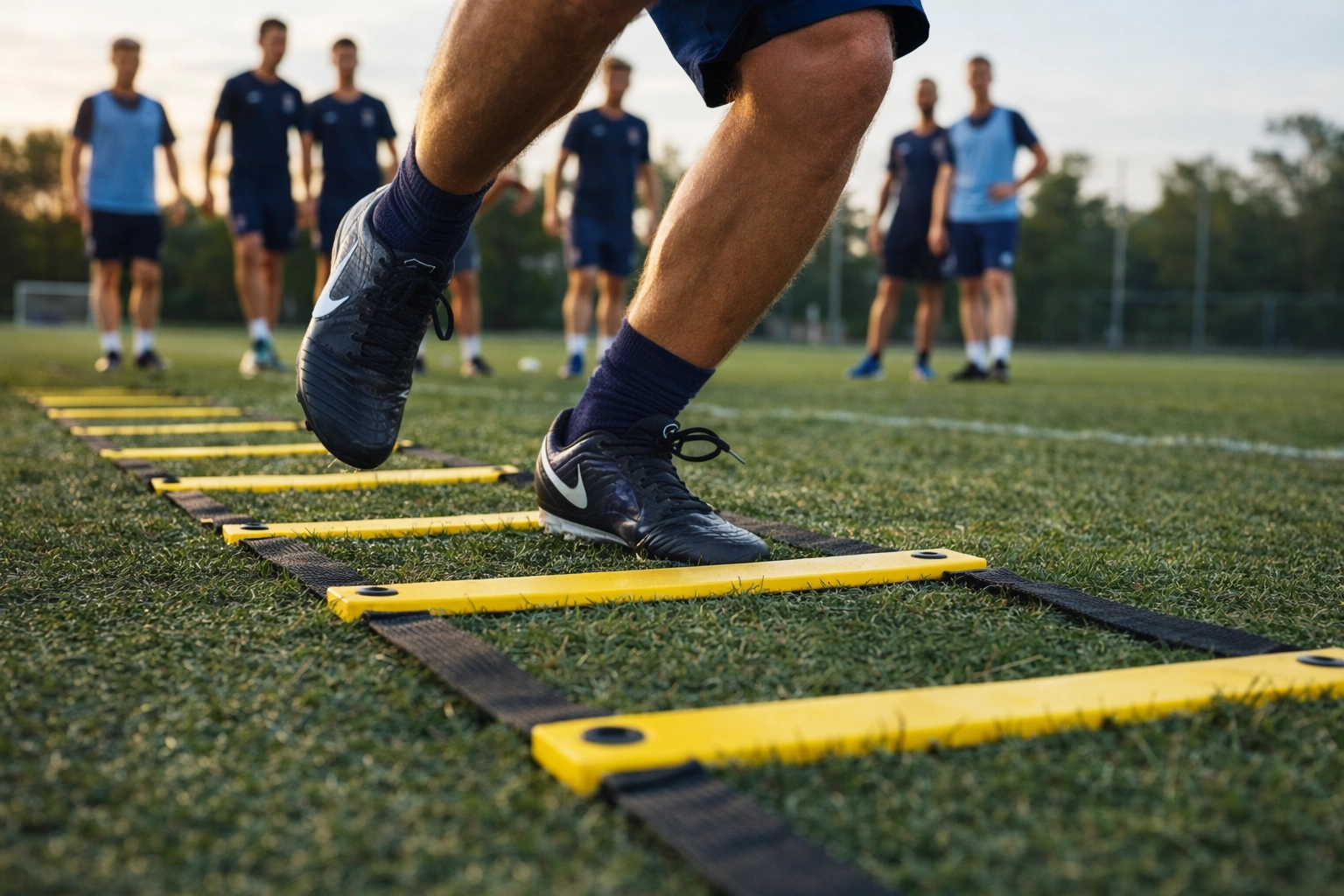
Basic rungs connected by straps. They get the footwork done and fold up nicely. The rungs might twist or come loose after heavy use, but they're brilliant for coaches just starting with speed and agility work.
Premium Option (£25-£45):
Flat-lying rungs that don't flip up, reinforced edges, and sometimes adjustable spacing. These handle 20+ athletes in a single session without tangling or breaking.
The Verdict: Budget ladders are fine for small groups or occasional use. If agility training is central to your program or you're working with large squads, premium ladders reduce setup headaches and last multiple seasons.
3. Training Bibs
Budget Option (£15-£25 for 10):
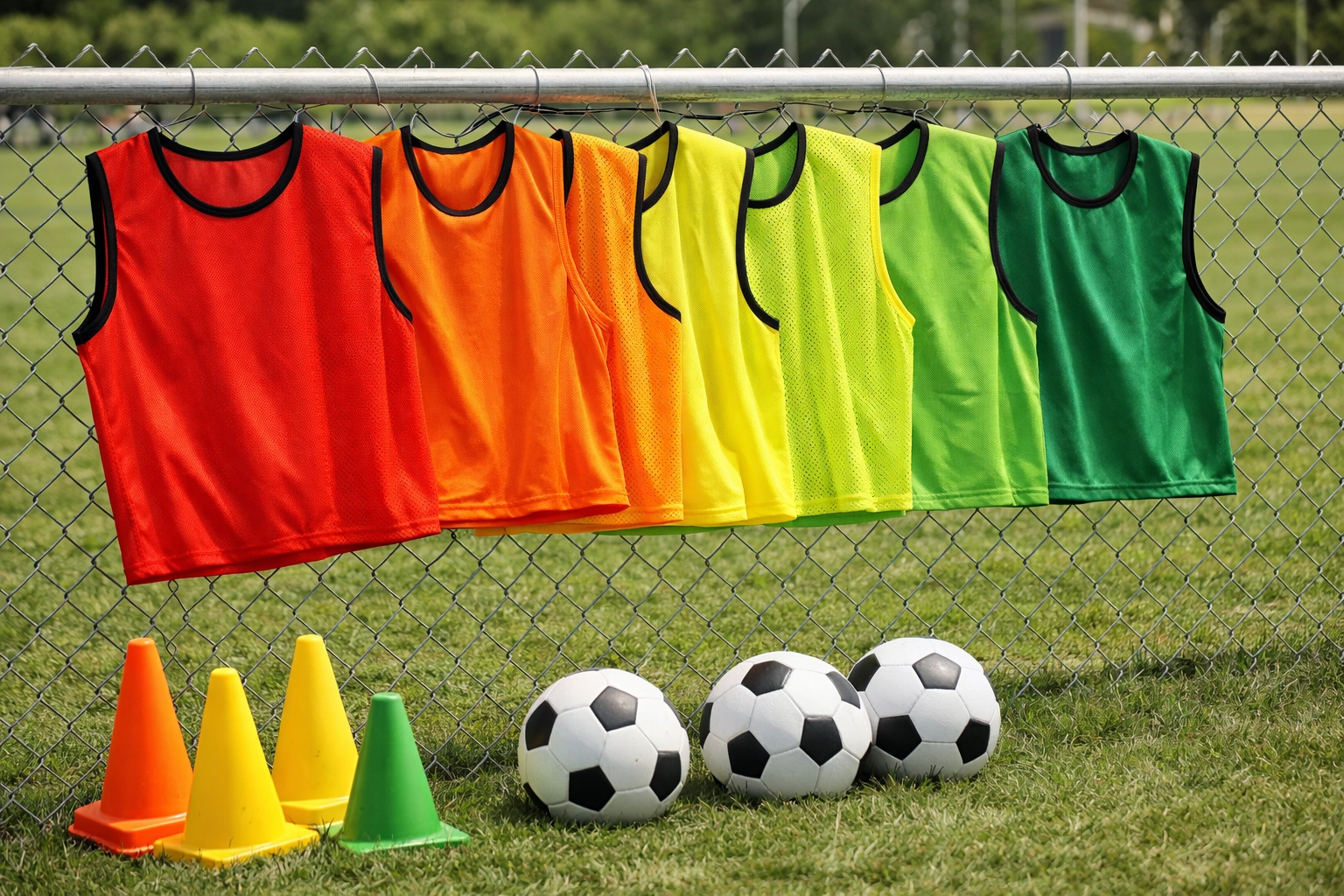
Thin mesh bibs that differentiate teams during scrimmages. They do the basic job but may tear easily, fade quickly, and feel less comfortable in hot weather.
Premium Option (£40-£70 for 10):
Breathable, moisture-wicking fabrics with reinforced seams and better fit. Colors stay vibrant even after 50+ washes, and they're more comfortable for athletes during intense sessions.
The Verdict: If you coach recreationally or indoors where gear gets minimal abuse, budget bibs work fine. For frequent outdoor sessions or competitive teams where durability matters, premium bibs are worth it: especially when you factor in replacement costs.
4. Hurdles and Speed Equipment
Budget Option (£20-£40 for a set):
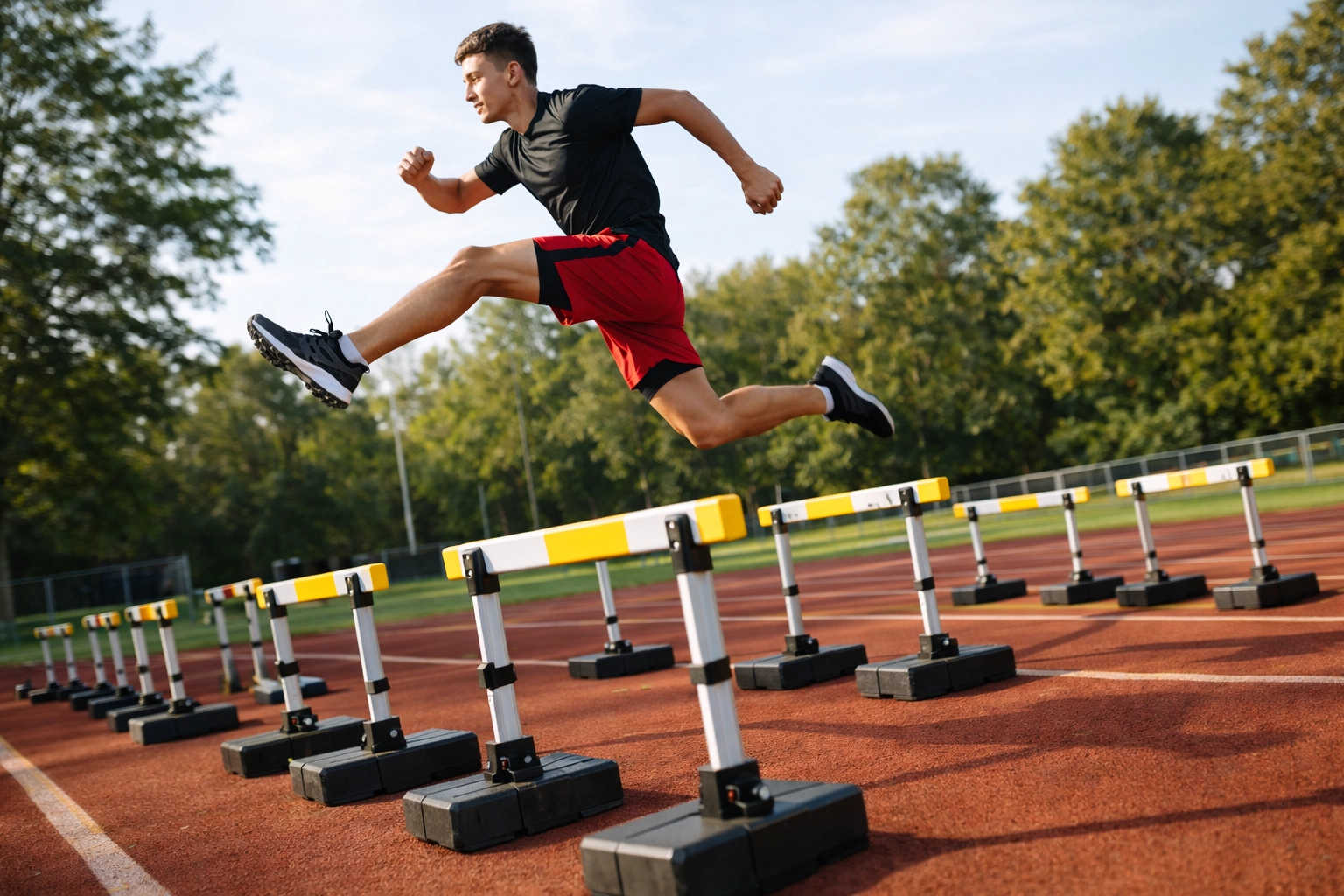
Lightweight hurdles that collapse easily for transport but also tip over easily during use. Fine for controlled environments or working with technique-focused athletes who won't be crashing through them.
Premium Option (£60-£120 for a set):
Weighted or adjustable hurdles that stay upright even when clipped. Some include height adjustments, making them versatile for different age groups and skill levels.
The Verdict: This is where premium often makes sense. Hurdles that constantly fall over disrupt training flow and frustrate athletes. If speed work is a regular part of your sessions, invest in mid-range to premium options from the start.
Where Budget Gear Actually Wins
Not everything needs to be top-of-the-line. Here's where affordable coaching equipment genuinely shines:
Whistle and Stopwatch: A £5 whistle works exactly the same as a £20 one. Same with basic digital stopwatches: no need to overthink these.
Boundary Markers: Simple disc markers for boundaries rarely take abuse. Budget options work perfectly well and you'll probably lose a few regardless of quality.
First Aid Kit: Stock a comprehensive kit with quality supplies inside, but the bag itself doesn't need to be premium. Focus your budget on the contents: proper bandages, ice packs, and emergency supplies.
Training Cones for Non-Contact Drills: If you're using cones purely as visual markers (not as obstacles athletes will kick, step on, or crash into), budget versions are absolutely fine.
The Durability Question: When Premium Actually Saves Money
Here's where the math gets interesting. Let's say you buy budget cones for £15 but replace them twice a year. That's £30 annually. Premium cones at £50 might last 3-4 years. Over four years:
- Budget route: £15 x 8 replacements = £120
- Premium route: £50 once = £50
You've saved £70 and avoided the hassle of repeatedly ordering replacements. This logic applies to most frequently-used training equipment for coaches.
Calculate your usage:
- Training 1-2 times per week? Budget gear usually lasts longer and makes sense
- Training 3-5 times per week? Premium gear pays for itself within 1-2 seasons
- Training daily or with large groups? Premium is almost always more cost-effective
What About Used or Refurbished Equipment?
If you're working with a tight budget, don't overlook:
- End-of-season sales (January and July typically offer 20-40% off)
- Buying in bulk (many suppliers offer discounts for larger orders)
- Local sports clubs upgrading (they often sell perfectly good gear for a fraction of retail)
Quality gear from last year is usually better than cheap gear from this year.
The Smart Coach's Equipment Strategy
Here's a practical approach that balances quality with budget:
Start with these budget basics:
- Boundary markers
- Basic cones for indoor use
- Entry-level agility ladder
- Stopwatch and whistle
Invest in premium for:
- First aid supplies (non-negotiable quality)
- Your most-used items (if you run cone drills every session, get quality cones)
- Outdoor-specific gear exposed to weather
- Safety equipment like properly inflated balls and goal anchors
Upgrade gradually:
Replace budget items with premium versions as they wear out, starting with whatever you use most frequently.
Red Flags: When "Budget" Means "Don't Buy It"
Some warning signs that cheap gear will cost you more in frustration:
- Cones that crack in cold weather (you'll spend more time picking up pieces than coaching)
- Ladders with twisted rungs out of the box (they'll never lie flat properly)
- Bibs with loose threads everywhere (they'll fall apart after a few washes)
- Equipment with strong chemical smells (indicates poor-quality materials)
If something seems absurdly cheap compared to similar products, there's usually a reason. Read reviews carefully on platforms like Rapid Sports where customer feedback helps identify genuinely good budget options versus false economy purchases.
Questions to Ask Before Any Equipment Purchase
Whether you're eyeing budget or premium, run through this checklist:
- How often will I actually use this? (Daily use = worth investing more)
- Is this replacing something that broke? (If so, why did it break? Go up a tier)
- Can I test it or see it in person first?
- What do reviews say about durability after 6+ months?
- Does it come with any warranty or guarantee?
- Will this improve my coaching or just look cool? (Be honest!)
Building Your Kit: A Phased Approach
If you're starting from scratch or rebuilding your equipment collection, try this approach:
Phase 1 (£50-£100):
Cover the absolute basics with budget-friendly options. Cones, a ladder, bibs, and a stopwatch. This lets you run structured sessions immediately.
Phase 2 (£100-£200):
Add sport-specific items and upgrade your most-used piece from Phase 1. For football coaches, this might mean proper football training equipment. For multi-sport coaches, focus on agility training gear.
Phase 3 (£200+):
Expand with specialized equipment and replace remaining budget items with premium versions. This is where you might add resistance bands, specialized hurdles, or position-specific tools.

The Bottom Line
You absolutely don't need premium everything to be an effective coach. Some of the best training sessions happen with minimal gear: what matters most is your coaching knowledge and how you structure drills.
Here's the real truth: Buy the best quality you can reasonably afford for items you'll use constantly and expose to tough conditions. Go budget on specialty items you'll use occasionally or in controlled environments.
Your athletes won't know or care if your cones cost £10 or £50. They'll care that sessions run smoothly, equipment works properly, and training helps them improve. Smart spending on training equipment for coaches means investing where it matters and saving where it doesn't.
Start with the basics that fit your budget, then upgrade strategically as you discover what your coaching style demands. Check out Rapid Sports' team training collection to compare options across different price points: and remember, the best coaching equipment is the stuff you'll actually use consistently.
Ready to build your coaching kit? Focus on what your athletes need most, not what looks impressive in the equipment room. You've got this! 💪
