

If you're new to coaching youth sports, staring at equipment catalogs can feel overwhelming. What do you actually need? What's worth the money? And most importantly, how do you keep your young athletes safe while making training effective?
You're not alone in feeling this way. Every experienced coach started exactly where you are now, and here's the good news: building a solid training kit doesn't mean breaking the bank or buying everything at once. Let's break down what matters most, starting with the absolute essentials.
1. Safety Equipment: Your Non-Negotiables
Before you buy a single cone or training aid, get your safety basics sorted. This isn't optional: it's the foundation of responsible coaching.
First Aid Kit
This is your number one priority. Keep a well-stocked first aid kit at every practice and game. Include:
- Adhesive bandages in various sizes
- Antiseptic wipes and spray
- Cold packs (instant ice packs are lifesavers)
- Gauze pads and medical tape
- Elastic bandages for sprains
- Disposable gloves
- Emergency contact information for all players
Hydration and Sun Protection
Kids forget to drink water. It's just a fact. Keep:
- Extra water bottles or a large cooler
- Sunscreen (SPF 30+) for outdoor sessions
- A basic weather kit (light rain gear, extra towels)
Sport-Specific Safety Gear
Have backup safety equipment on hand. Spare shin guards, extra goalkeeper gloves, or protective eyewear: whatever your sport requires. When a kid shows up without their gear, you're covered.
2. Core Training Equipment: The Foundation
These items form the backbone of virtually every youth training session, regardless of your sport.
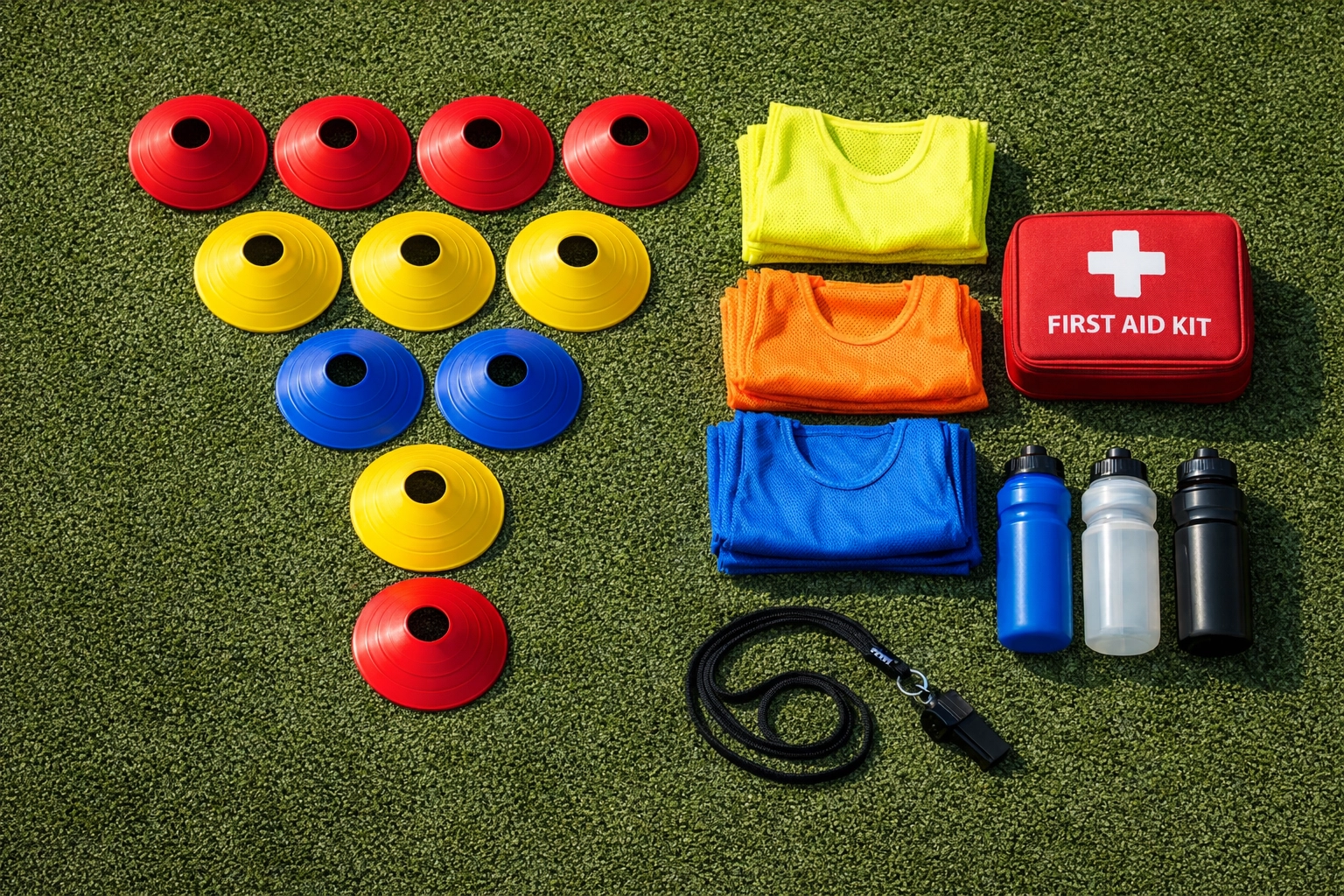
Cones (20-30 minimum)
Get disc cones in 2-3 different colors. You'll use these daily for:
- Marking boundaries and grids
- Creating obstacle courses
- Setting up station rotations
- Building agility drills
Pro tip: Different colors help kids understand complex drills faster. "Red cones are where you sprint, yellow cones are where you slow down."
Pinnies/Training Vests (12-20 pieces)
Also called bibs or scrimmage vests, these eliminate confusion during small-sided games and team drills. Get at least two different colors so you can quickly divide groups.
Hand Pump with Spare Needles
Nothing kills practice momentum like deflated balls. A simple hand pump (bonus points if it has a pressure gauge) keeps things flowing smoothly.
Whistle and Lanyard
Your voice gets hoarse. A good whistle helps you:
- Grab attention quickly
- Signal transitions between drills
- Maintain control in noisy environments
Some experienced coaches prefer verbal instruction alone, but when you're starting out, a whistle is your friend.
Stopwatch or Timer
Track practice timing, timed drills, and rest periods. Your phone works, but a dedicated stopwatch means no distractions from texts and notifications.
3. Skill Development Tools: Where the Magic Happens
Once your foundation is solid, these sports equipment for youth coaching items take training to the next level.
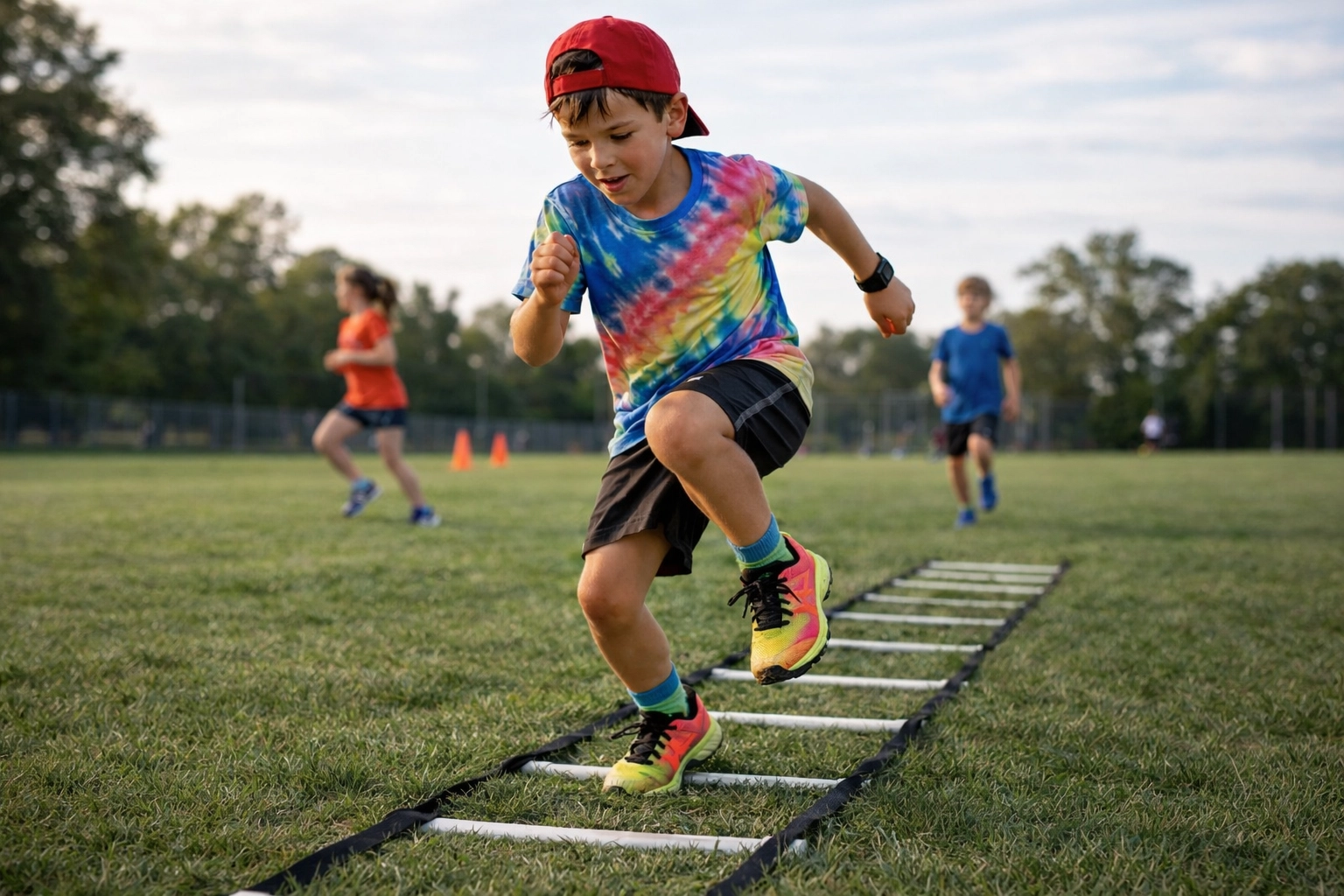
Agility Ladder
An agility ladder transforms footwork training. Kids love the challenge, and you'll see improvement in:
- Coordination and balance
- Quick feet and reaction time
- Body awareness and control
Use it for 5-10 minute warm-ups or dedicated footwork stations.
Resistance Bands
Resistance bands are incredibly versatile for youth athletes. They're perfect for:
- Building strength safely (no heavy weights needed)
- Speed and power development
- Injury prevention exercises
- Dynamic warm-ups
Start with lighter resistance for younger athletes and progress gradually.
Speed Training Equipment
Tools like a resistance parachute or training harness add variety to speed work. These are especially effective for older youth athletes (12+) who are ready for progressive resistance training.
Skipping Rope
Don't underestimate the humble skipping rope. It's affordable, portable, and builds:
- Cardiovascular endurance
- Foot-eye coordination
- Rhythm and timing
- Calf and ankle strength
Keep 4-6 ropes in different lengths to accommodate various heights.
4. Organization Equipment: Keep It Simple
The best must-have sports equipment for coaches means nothing if it's disorganized or difficult to access.
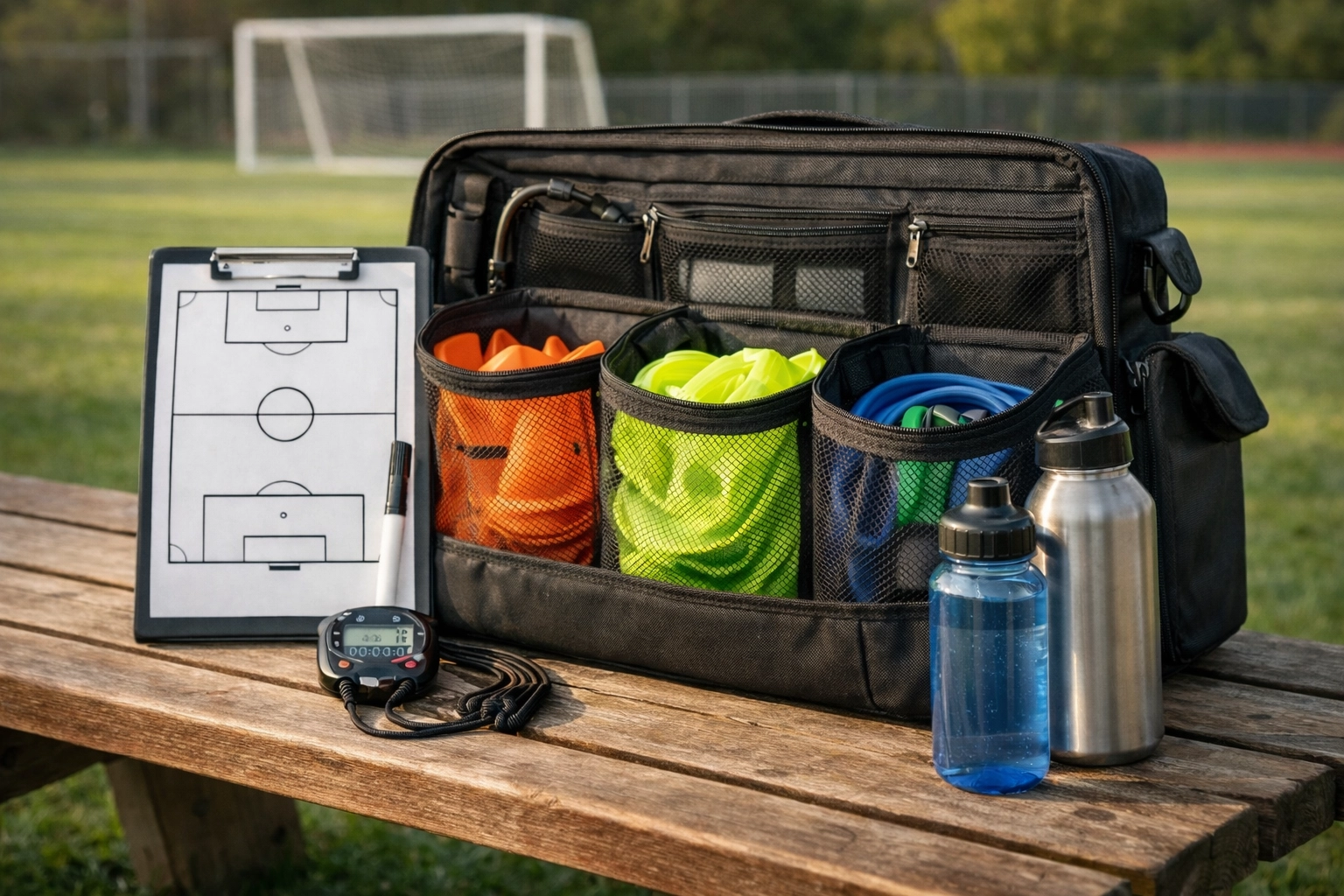
Dry Erase Clipboard
A clipboard with a field/court diagram helps you:
- Explain drills visually
- Make quick adjustments
- Keep notes on player progress
- Plan sessions efficiently
Quality Equipment Bag
Invest in one durable bag with multiple compartments. Look for:
- Water-resistant material
- Comfortable, padded straps
- Reinforced stitching
- Easy-access pockets
Mesh Storage Bags
Use separate mesh bags for different equipment types (cones in one, pinnies in another). This makes setup and pack-up lightning fast.
5. Building Your Kit Gradually: A Smart Approach
Here's the truth: you don't need everything on day one. Build your kit in phases as your coaching experience grows.
Phase 1 (Weeks 1-4): Absolute Essentials
- First aid kit
- 20 cones
- 12 pinnies
- Hand pump
- Whistle
- Water supplies
Phase 2 (Months 2-3): Core Training Tools
- Agility ladder
- Basic resistance bands
- Stopwatch
- Equipment bag
- Additional balls
Phase 3 (Months 4-6): Specialized Equipment
- Speed training tools
- Sport-specific skill equipment
- Advanced organization systems
- Backup supplies
This phased approach keeps costs manageable while ensuring you have what you need when you need it.
6. Common Mistakes to Avoid
Buying Too Much Too Soon
Many new coaches blow their entire budget immediately, then realize they don't use half of what they bought. Start small and add items as you identify actual needs.
Ignoring Quality for Price
Cheap cones crack after one season. Flimsy pinnies rip after three washes. Sometimes paying a bit more upfront saves money long-term.
Forgetting About Storage
Equipment scattered in your car trunk gets lost, damaged, or forgotten. Invest in proper organization from the start.
Overlooking Maintenance
Check your first aid kit monthly. Wash pinnies regularly. Replace damaged equipment immediately. A well-maintained kit lasts years longer.
Not Involving Your Athletes
Let older youth athletes help with setup and pack-up. It teaches responsibility and speeds up transitions.
7. Your Next Steps
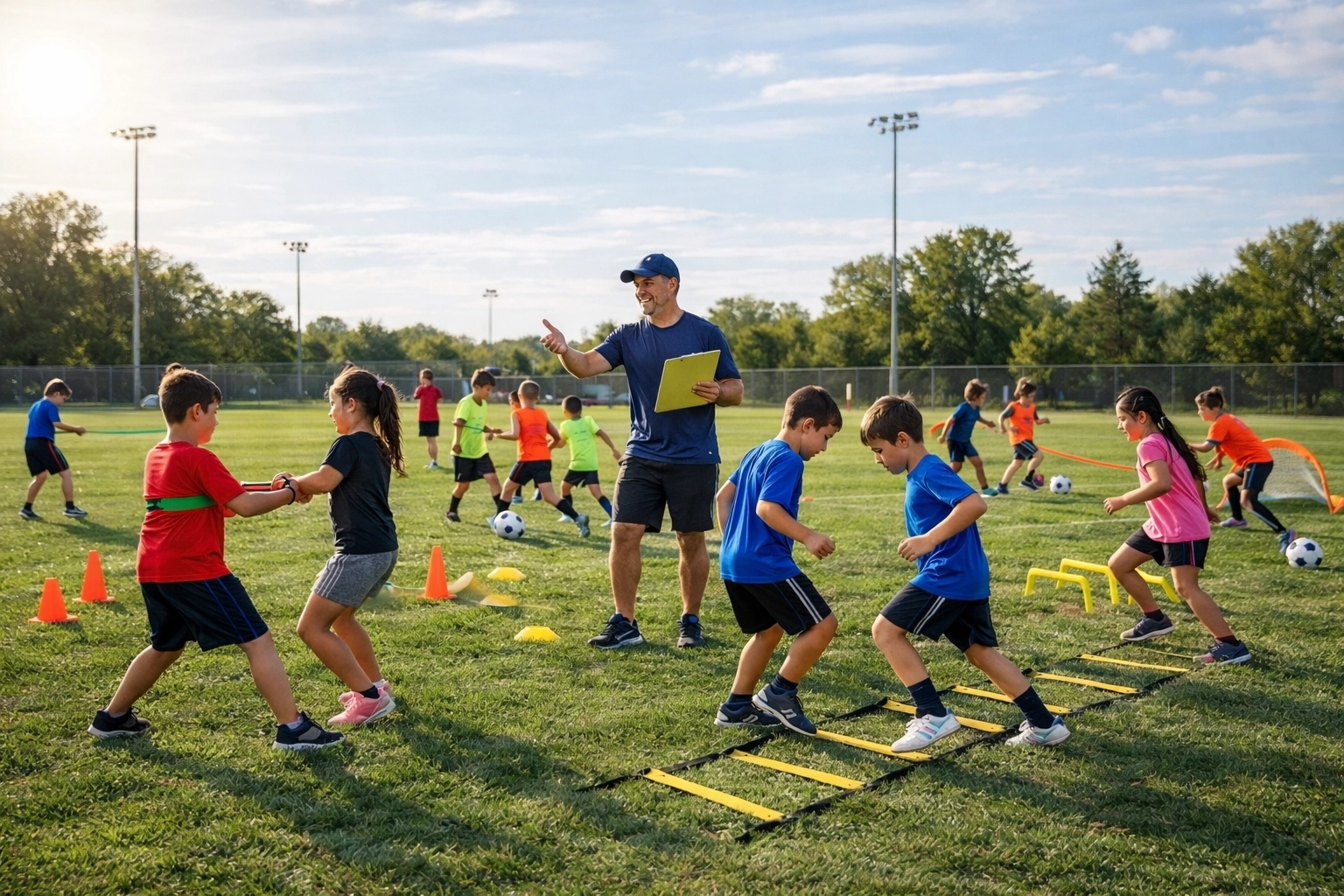
Building a safe, effective training kit is a journey, not a destination. Start with safety, add core equipment, then gradually expand based on your specific coaching needs.
Remember: the fanciest equipment won't make you a great coach, but the right tools make great coaching easier. Your athletes don't need perfection: they need a coach who's prepared, organized, and focused on their development.
Begin with your Phase 1 essentials this week. Get that first aid kit sorted, grab some cones and pinnies, and you're already ahead of most beginner coaches. As you gain experience, you'll naturally discover which additional tools serve your coaching style and your athletes' needs.
The young athletes you're coaching are lucky to have someone who cares enough to do the research and build a proper training environment. Now go make it happen.
Ready to start building your coaching kit? Check out our sports equipment collection designed specifically for coaches who want quality without the complexity.


