

Whether you're a weekend warrior looking to shave a few seconds off your 5K or a serious athlete training for competition, you're not alone in wondering what speed training equipment actually delivers results. The good news? 2025 has brought some game-changing gear that's more accessible and effective than ever before.
Let's cut through the marketing hype and focus on what really works for UK athletes training in our unique climate and sporting culture.
1. The New Guard: Velocity-Based Training Systems
If you've been following elite athletics, you've probably heard whispers about velocity-based training (VBT). Think of it as having a personal coach who can precisely measure how fast and powerfully you're moving - in real-time.
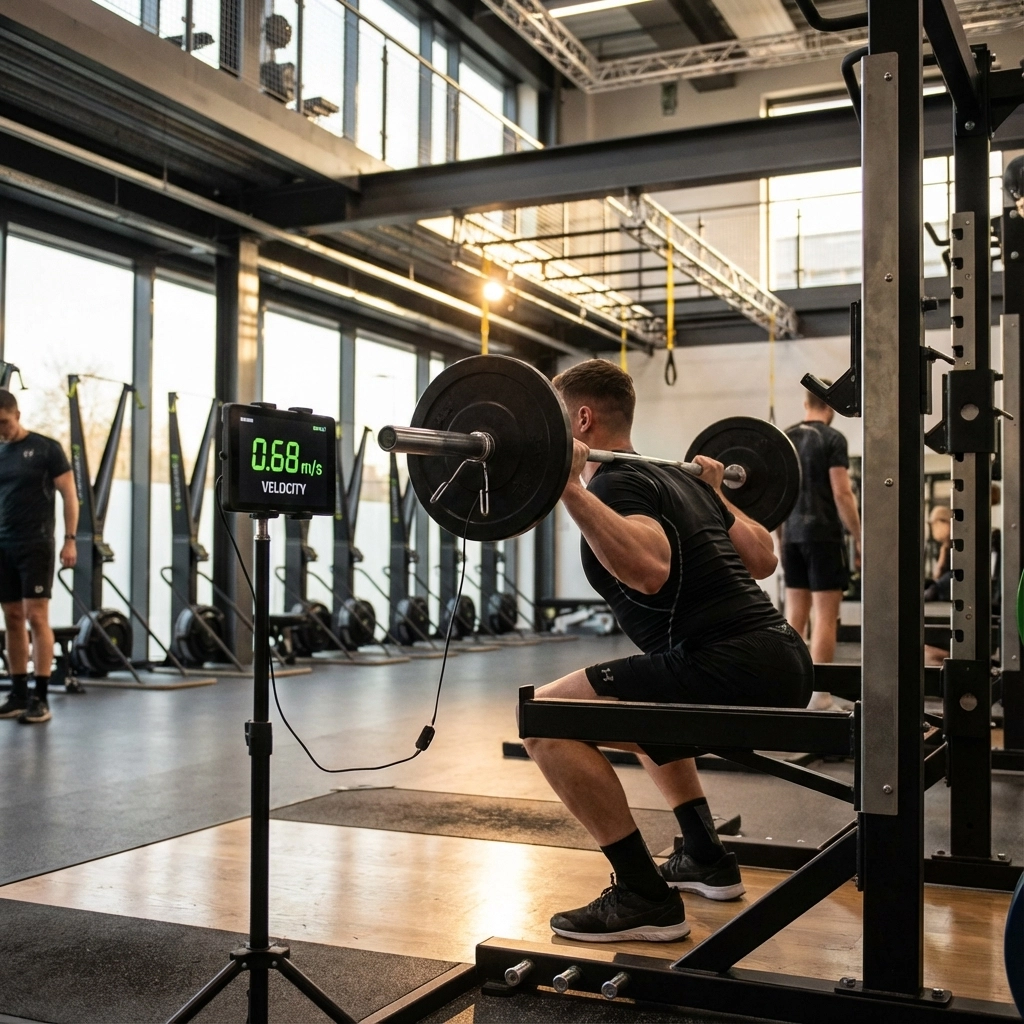
GymAware: The Gold Standard
Pros:
• Over 20 years of proven track record with professional teams
• Incredibly precise measurements with X-axis correction
• Works seamlessly in typical UK gym environments
• Extensive research backing its effectiveness
Cons:
• Higher upfront investment (£2,000-£4,000)
• Requires dedicated setup time
• Best suited for strength-focused speed development
GymAware systems are now found in many premium UK gyms, particularly those serving rugby and football academies. The technology measures bar velocity during lifts, helping you train at optimal intensities for speed development.
Smartphone-Based Solutions: Budget-Friendly Innovation
For athletes on tighter budgets, smartphone apps like Metric have revolutionized VBT accessibility. Using just your iPhone's camera, these apps can track bar movement and provide real-time velocity feedback.
Key benefits:
• Costs under £50 per year
• No additional hardware needed
• Perfect for home gym setups
• Surprisingly accurate for the price point
2. Resistance Training Equipment That Actually Works
VertiMax Raptor: Portable Power
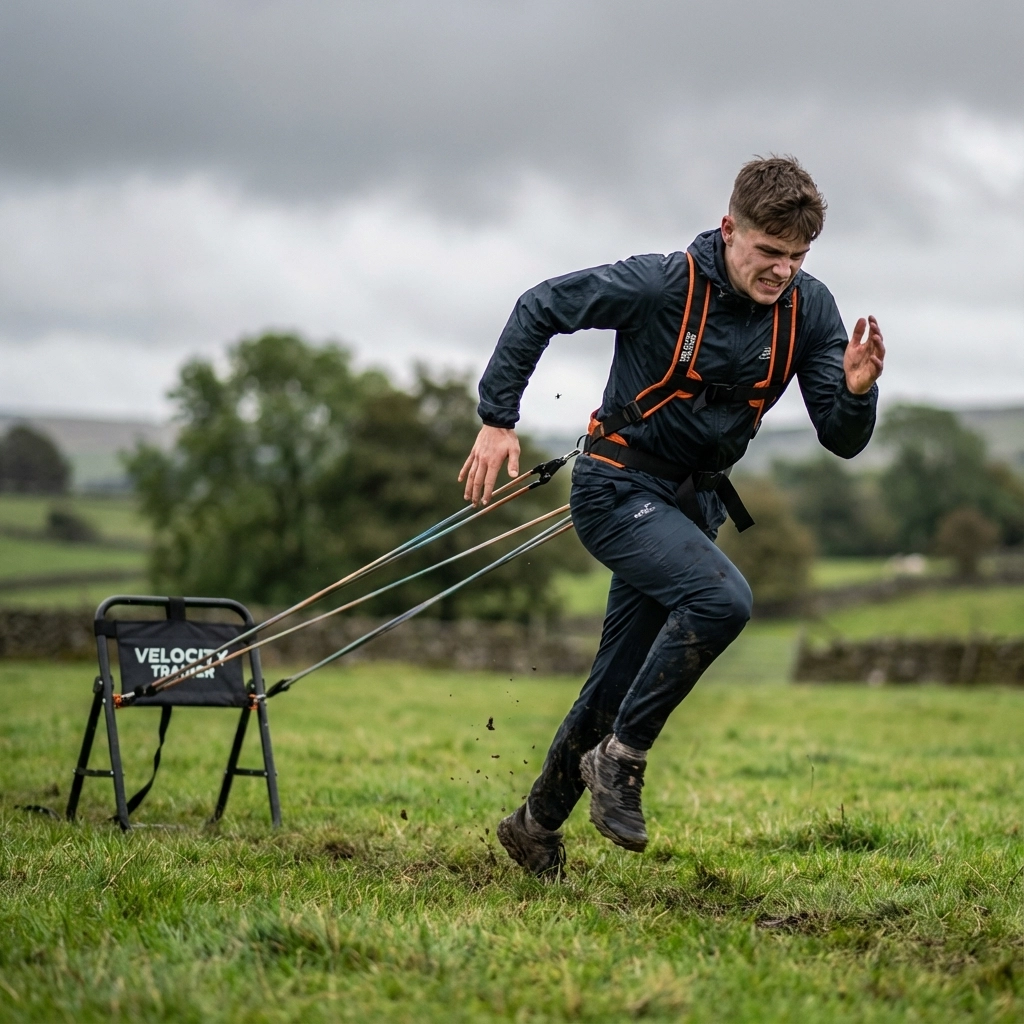
At just 15 pounds, the VertiMax Raptor has become increasingly popular among UK athletes training in varied conditions. Unlike traditional resistance bands that get harder to stretch, this system provides consistent resistance throughout your range of motion.
Why it works for UK athletes:
• Weather-resistant for outdoor training
• Easily transported between training venues
• Maintains consistent resistance in cold temperatures
• Suitable for sport-specific movement patterns
Training applications:
• Sprint acceleration work
• Lateral movement for football and rugby
• Jumping and plyometric exercises
• Multi-directional agility drills
Resistance Bands: The Reliable Workhorse
Don't overlook the humble resistance band. Modern versions designed specifically for speed training offer several advantages:
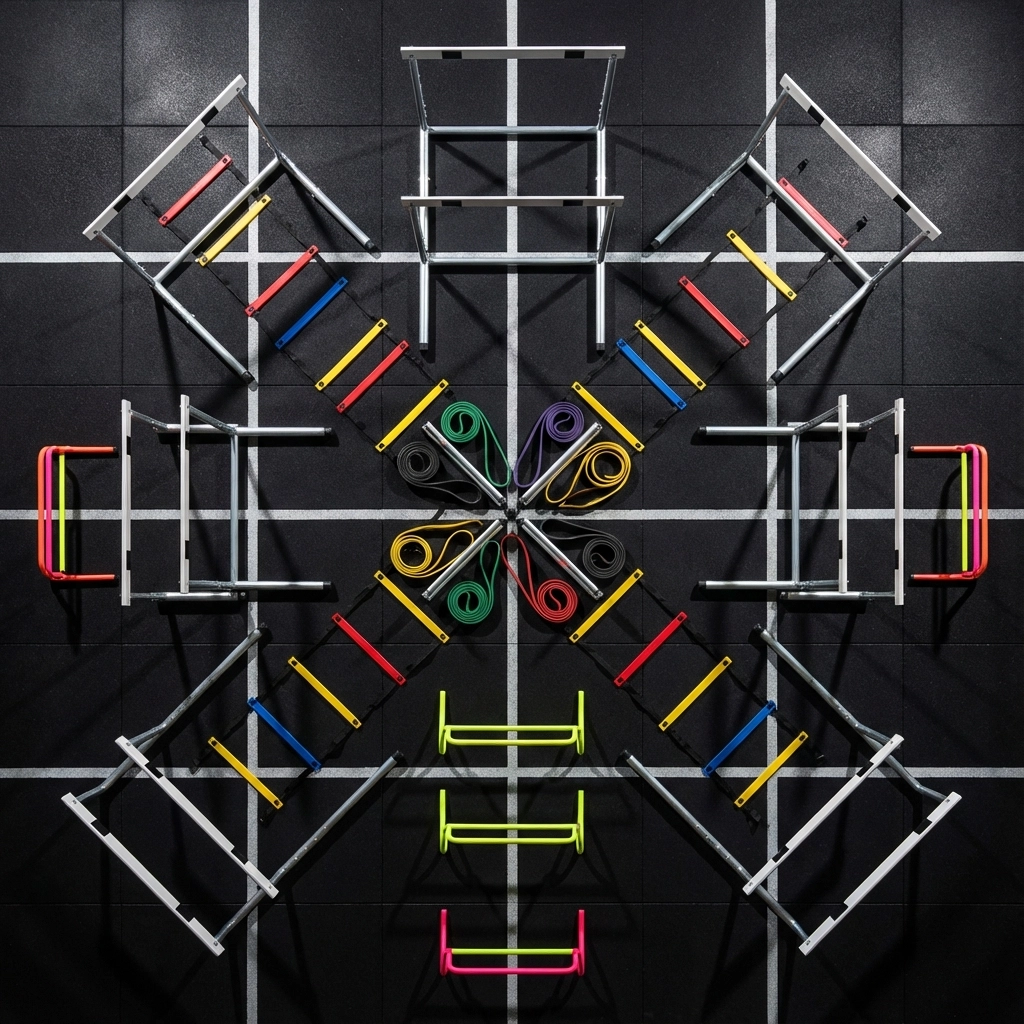
• Mini bands (£10-20): Perfect for activation work and lateral movement
• Long resistance bands (£25-50): Excellent for sprint assistance and overspeed training
• Power bands (£30-80): Heavy-duty options for strength-speed development
Pro tip: Look for bands with comfortable handles and door anchors - you'll use them more consistently if they're easy to set up in your typical training spaces.
3. Traditional Equipment with Modern Twists
Agility Ladders: Still Relevant in 2025
While some coaches argue agility ladders are outdated, they remain valuable when used correctly. The key is understanding their role: they're coordination tools, not speed developers.
Best practices:
• Use for warm-up and movement quality
• Progress from slow, precise movements to game speed
• Focus on foot placement accuracy first
• Combine with reactive elements for sport relevance
Speed Hurdles: Adjustable and Practical
Modern adjustable hurdles (30-42 inches) offer versatility that fixed-height versions can't match. Look for heavy-duty metal construction that can handle UK weather conditions.
Training progression:
• Start at 6 inches for basic step-over patterns
• Progress to 12 inches for sprint mechanics
• Use 18+ inches for explosive power development
• Adjust based on your sport's movement demands
4. Technology Integration: What's New for 2025
Reaction Time Training Systems
Equipment like Swivel Vision represents the cutting edge of reaction training. These systems use visual cues to train your brain to process information faster - crucial for sports requiring quick decision-making.
Applications for UK sports:
• Football defenders reading play development
• Rugby players in ruck situations
• Tennis players at net
• Basketball point guards running plays
Wearable Tech Integration
Many 2025 speed training systems now sync with popular fitness trackers and smartwatches. This means you can:
• Track training load across different equipment
• Monitor recovery between speed sessions
• Identify optimal training times based on readiness
• Share data with coaches remotely
5. Building Your UK-Specific Training Setup
Indoor Options for Year-Round Training
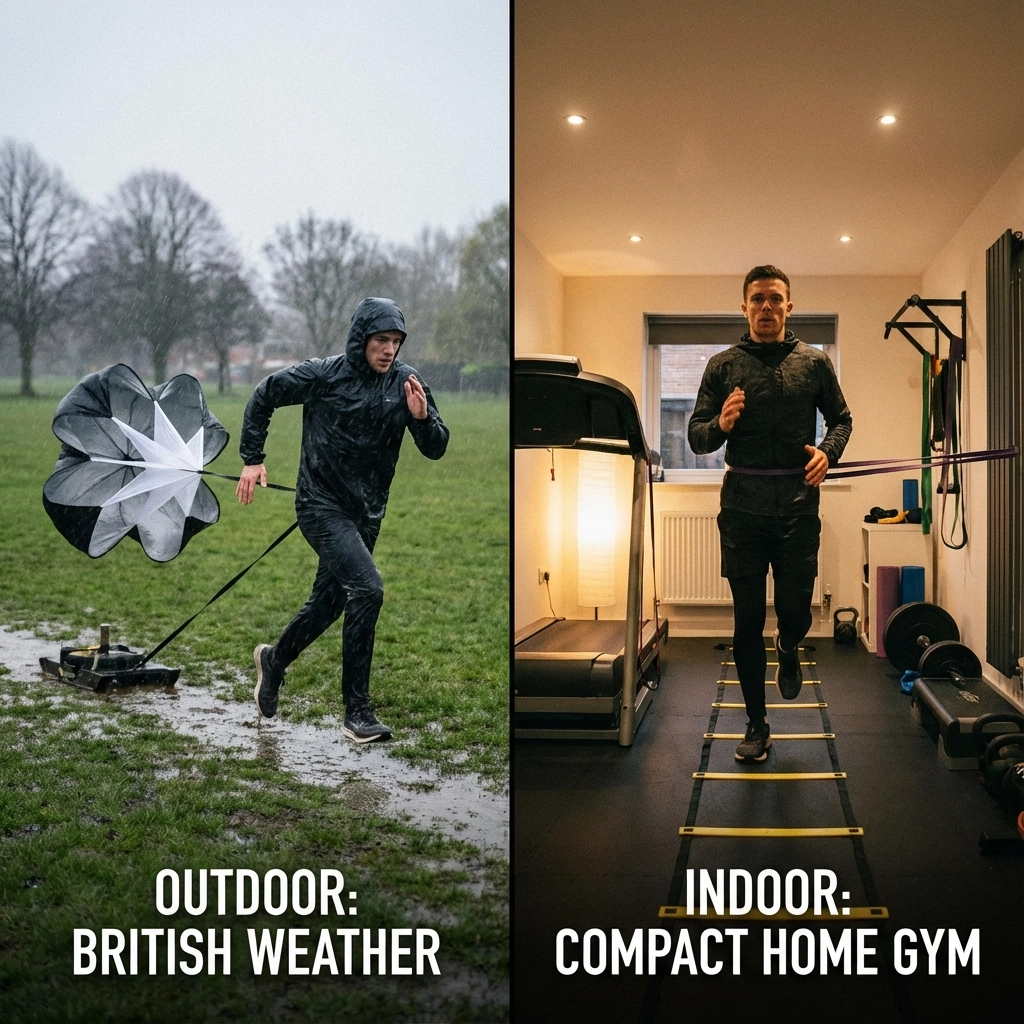
Given our unpredictable weather, having indoor alternatives is essential. Here's what works in typical UK home and gym spaces:
Compact setup (under £200):
• Resistance bands set
• Agility ladder
• Mini hurdles (collapsible)
• Reaction ball
Intermediate setup (£200-800):
• Smartphone VBT app
• Resistance band door anchor system
• Adjustable hurdles
• Speed ladder with reactive light system
Premium setup (£800+):
• VertiMax Raptor or similar
• Professional VBT system
• Complete hurdle set
• Reaction training system

Outdoor Training Considerations
UK weather demands equipment that can handle:
• Rain and moisture
• Temperature fluctuations
• Wind conditions
• Various ground surfaces
Look for:
• Rustproof metal construction
• Weather-resistant electronics
• Equipment bags with drainage
• Ground stakes for windy conditions
6. Sport-Specific Recommendations
Football (Soccer)
Focus on: Multi-directional agility, acceleration from various positions, reactive training
Essential kit: Agility ladder, mini hurdles, resistance bands, reaction trainer
Rugby
Focus on: Linear acceleration, contact preparation, explosive power
Essential kit: Heavy resistance bands, VertiMax-style system, adjustable hurdles
Track and Field
Focus on: Maximum velocity development, race-specific training
Essential kit: VBT system, sprint parachutes, starting blocks (if sprinting)
General Fitness
Focus on: Injury prevention, functional movement, enjoyable variety
Essential kit: Resistance band set, agility ladder, mini hurdles
Common Mistakes to Avoid
❌ Buying too much equipment too quickly - Start with basics and add as you identify specific needs
❌ Ignoring setup and storage requirements - Equipment you can't easily set up won't get used
❌ Focusing only on equipment - Proper programming matters more than expensive gear
❌ Neglecting progressive overload - Having fancier equipment doesn't replace systematic progression
❌ Training speed when fatigued - Quality over quantity always wins with speed development
Making Your Investment Count
Before purchasing any speed training equipment, ask yourself:
• Will I realistically use this 2-3 times per week?
• Do I have adequate space for setup and storage?
• Does this address a specific weakness in my current training?
• Can I progress the difficulty as I improve?
The best speed training equipment is the gear you'll actually use consistently. A basic resistance band setup used three times per week will deliver better results than an expensive VBT system gathering dust in your garage.
Start with one or two key pieces that address your biggest limiting factors. Master those, see genuine improvements in your performance, then gradually build your arsenal. Remember, the fastest athletes aren't necessarily those with the most equipment - they're the ones who train smart, stay consistent, and progressively challenge themselves.
Ready to take your speed to the next level? Check out our agility training collection for UK-tested equipment that delivers real results, or browse our complete team training range for comprehensive solutions.
Your future faster self is waiting - and with the right equipment choices, that future is closer than you think.


