

If you are searching for football training equipment this season, you have probably noticed the sheer volume of products competing for your attention. Every retailer from The Soccer Store to Kitlocker and Pendle Sportswear lists hundreds of items, from 99p bibs to £159.95 rebound boards. The challenge for UK coaches, team managers, and grassroots players is not finding gear: it is working out what actually improves performance and what simply empties your wallet. This guide cuts through the marketing noise. We will show you which equipment matters, what is worth spending on, and how to avoid wasting money on gear you do not need. Whether you are kitting out a Sunday league side or buying for a young player’s first season, the right choices make a genuine difference to development and safety in 2026.
Table of Contents
- Why Your Training Equipment Choices Matter More Than Ever in 2026
- The Essential Football Training Equipment Every UK Player Needs
- How to Choose Equipment Based on Your Skill Level and Role
- Budget-Friendly Alternatives and DIY Training Hacks
- Safety and Injury Prevention – What Every UK Coach Should Know
- Frequently Asked Questions About Football Training Equipment
- Conclusion – Build Your Kit Smart for the 2026 Season
Why Your Training Equipment Choices Matter More Than Ever in 2026
The 2026 grassroots football season has become more structured than ever before. UK academies and Sunday league clubs are moving away from casual kickabouts and towards purposeful, drill-based sessions that demand specific equipment. Agility work, ball control sequences, and match-simulation exercises all require tools that allow coaches to set up repeatable, measurable training environments. The gear you choose directly affects how quickly players develop and how safely they train.
Walk into any major retailer’s online store and you will find overwhelming choice. The Soccer Store lists over 124 products across six pages. Kitlocker pushes discounts of 40 to 50 percent on many items. Pendle Sportswear offers 18 distinct product categories within training equipment alone. But not every item is necessary for every player or team. A rebound board priced at £159.95 might be essential for an academy striker doing solo finishing work, yet completely unnecessary for an under-9s team learning to pass.
At Rapidsports.co, our approach is simple: equip smart, not just expensively. We help you separate core essentials from nice-to-haves. As JNM Football’s popular YouTube analysis rightly points out, individual training gear has its place, but team-based fundamentals such as first touch, passing, and dribbling remain the priority. Expensive equipment cannot replace consistent, well-coached practice. The goal of this guide is to help you build a kit that serves your actual needs.
The Essential Football Training Equipment Every UK Player Needs
Cones, Markers, and Bibs – The Non-Negotiables
Cones and flat markers are the foundation of virtually every football drill. They define dribbling paths, passing lanes, and agility grids. Without them, structured training collapses into chaos. The good news is that these items are inexpensive. Kitlocker regularly discounts a 50-cone set to £12.50, while individual bibs start at just 99p from The Soccer Store. You do not need branded versions. Generic cones and flat markers perform identically to premium alternatives, lasting multiple seasons if stored properly.
Bibs are equally critical for team sessions. They allow coaches to split squads into colour-coded groups for small-sided games and positional drills. If you are buying for a club, order in bulk: 12 or more bibs in two contrasting colours. Direct suppliers like Pendle Sportswear offer typical savings of 40 percent on bulk orders, which adds up quickly when kitting out multiple age groups. The key takeaway is that these non-negotiables should be the first items in your bag and the last place you overspend.
Agility Ladders, Hurdles, and Rebound Boards

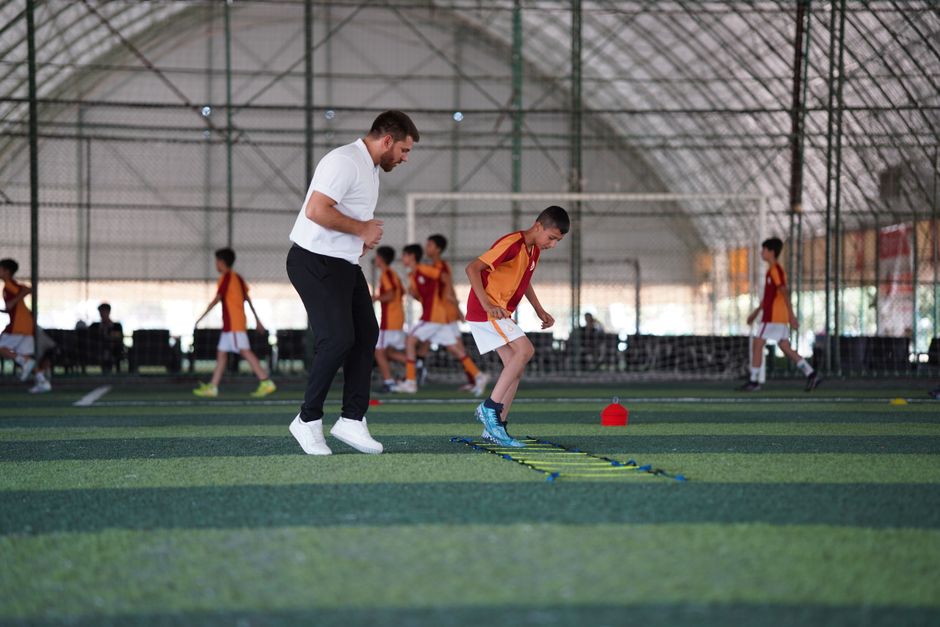
Agility ladders are among the most versatile pieces of football training equipment for developing foot speed and coordination. They suit all skill levels, from under-8s learning basic movement patterns to semi-professional players refining quickness. When choosing a ladder, look for flat-rung designs that sit flush against the surface. Raised rungs create trip hazards, especially for younger players, and should be avoided.
Hurdles add an explosive movement dimension to training. Adjustable-height models are the smartest investment, allowing you to progress from low 6-inch steps to higher jumps as players develop. Beginners do not need hurdles immediately, but intermediate and advanced players benefit significantly from them.
Rebound boards sit at the premium end of the market, with top models reaching £159.95. They are excellent for solo practice, returning the ball at varying angles to simulate passes and shots. However, Rapidsports.co recommends starting with a ladder and a single hurdle set before committing to a rebound board. A solid brick wall with a marked target zone works for 90 percent of passing and first-touch drills, costing nothing and requiring zero storage space.
Training Goals, Mannequins, and Balls
Pop-up goals in sizes 6×4 or 8×6 feet are ideal for small-sided games and finishing drills at grassroots level. They are lightweight, portable, and quick to set up. Avoid heavy steel-framed goals for training purposes: they are cumbersome to transport and unnecessary for drill work.
Mannequins simulate defenders and are useful for set-piece practice and positional drills. That said, they are not essential for general skill development. Most teams can replicate defensive pressure using cones or volunteer parents standing in as static obstacles. Save mannequins for advanced sessions where realistic body shape matters for free-kick routines.
Balls are the one area where quantity matters more than quality. Aim to have at least one ball per player for passing drills. Size 5 is standard for under-12s and above, while size 4 suits younger age groups. A decent training ball costs around £10 to £15 and will last a full season with proper inflation and care.
How to Choose Equipment Based on Your Skill Level and Role
Beginners (U8–U12 and Casual Players)
For young or casual players, the priority is mastering foundational skills: dribbling, passing, and first touch. A £10 cone set and a £15 ball are sufficient for 90 percent of the drills that build these abilities. Add a basic bib set if you are training in a group, and you have everything required for effective sessions. Avoid expensive agility ladders until basic coordination is established. At this stage, the risk is overcomplicating training with gear that distracts from the fundamentals. Keep it simple and let the player’s body learn natural movement patterns before introducing specialised equipment.
Intermediate Players (U13–U16 and Club Academy Members)
Intermediate players benefit from adding an agility ladder, low hurdles in the 6-to-9-inch range, and possibly a rebound board for solo sessions. At this level, training should combine equipment to improve game-speed decision-making. A typical drill might involve a ladder-to-cone passing sequence where the player navigates quick feet through the ladder before receiving and returning a pass at a marker. Total investment for a solid intermediate kit sits between £50 and £100. This is the stage where equipment genuinely enhances development rather than simply facilitating basic drills.
Advanced Players and Coaches (U18+, Semi-Pro, and Team Managers)
Advanced players and coaches need a full kit: cones, bibs in quantities of 20 or more, adjustable hurdles, two to four mannequins, pop-up goals, and a high-quality rebound board. Coaches managing squads should prioritise bulk-buying from direct suppliers. Pendle Sportswear and Kitlocker both offer substantial discounts on large orders, often saving 40 percent or more compared to buying individual items. One safety note for this level: ensure hurdles are lightweight and tip-resistant. High-intensity drills at advanced speed increase the risk of ankle injuries if equipment does not collapse on impact.
Budget-Friendly Alternatives and DIY Training Hacks
You do not need to spend £159.95 on a rebound board. A brick wall and a marked target zone, drawn with chalk or tape, work for passing and first-touch drills. The ball returns, you develop touch, and your bank balance remains intact. DIY cones are equally simple: plastic cups, water bottles, or even rolled-up socks mark out drill areas effectively at zero cost.
For agility ladder work, draw a grid pattern on grass or concrete using chalk or tape. The footwork benefits are identical to using a £20 ladder, and you can adjust the spacing to suit different player sizes. Bibs can be replaced by old t-shirts in contrasting colours. For a team of ten players, this saves £20 to £30 immediately.
The message here is not that equipment is worthless. Quality gear makes sessions easier to set up and more professional in appearance. But expensive equipment does not replace consistent, purposeful practice. The JNM Football video’s core argument aligns with this perfectly: basics first, gear second. If you are on a tight budget, spend your money on balls and save everywhere else.
Safety and Injury Prevention – What Every UK Coach Should Know
Training equipment should improve performance without introducing unnecessary risk. Cones used for speed drills must be flat and flexible. Rigid plastic cones become trip hazards when players move at pace, particularly for children whose coordination is still developing. Always choose flexible markers that give way underfoot.
Hurdles must be lightweight and designed to collapse on impact. Never use fixed-height metal hurdles for football training. A player catching a foot at speed on an immovable hurdle risks serious ankle and knee injuries. Check that your hurdles tip over with minimal force before using them in a session.
Rebound boards need a stable, non-slip surface beneath them. Inspect cheaper models for sharp edges or loose fittings before first use. Bibs should be made from mesh fabric to prevent overheating during summer sessions, a common issue in UK grassroots leagues where training often takes place in evening heat. As a general rule, inspect all equipment before each session. Replace cracked cones, frayed ladders, or torn bibs immediately. A five-minute check prevents injuries that could sideline a player for weeks.
Frequently Asked Questions About Football Training Equipment
What is the minimum equipment I need for a team of 12 players? You need 12 bibs in two colours, 20 cones, 4 balls, and 1 pop-up goal. Total cost from discount suppliers runs approximately £40 to £60. This covers all essential drills and small-sided games.
Is expensive branded gear worth it? No. Cones, bibs, and ladders from generic brands perform identically to premium versions. The one exception is balls, where slightly higher spend buys better durability and consistent flight. Rebound boards also benefit from quality construction, but only if you genuinely need one.
How often should I replace training equipment? Cones and bibs last two to three seasons with proper storage away from direct sunlight. Agility ladders may fray after one season of heavy use, especially on abrasive surfaces. Inspect rungs and straps regularly.
Can I train effectively without any equipment? Yes. Bodyweight drills, passing against a wall, and shadow dribbling are highly effective. Equipment enhances structured training but does not replace the fundamentals. Many professional players grew up training with nothing more than a ball and a wall.
Where should I buy in the UK for best value? Pendle Sportswear offers direct savings on bulk orders, Kitlocker runs regular discounts, and The Soccer Store stocks academy-grade gear. Avoid Amazon resellers who often inflate prices on basic items.
Conclusion – Build Your Kit Smart for the 2026 Season
Smart equipment choices start with the essentials: cones, bibs, and a properly sized ball. Add an agility ladder and hurdles as skills progress. Resist the temptation to overinvest in gear that looks impressive but gathers dust in the shed. A speed agility ladder with cones or a set of flat disc markers will serve your sessions far better than an expensive rebound board you rarely use. Consistent practice with the right equipment, chosen for your actual needs, produces real improvement. Expensive gear alone will not make you a better player. Share this guide with your team manager or coach, and start the 2026 season with a kit that works as hard as you do.


