
Coaching Communication: Simple Strategies to Reach Every Young Athlete
by Paul Harwood
·
If you've ever felt like your words aren't landing with your young athletes, you're not alone. Coaching kids and teenagers comes with unique challenges, short attention spans, different learning styles, and the constant battle against distractions. But here's the good news: effective communication isn't about being the loudest voice on the pitch. It's about connection, clarity, and consistency.
Whether you're coaching football, athletics, swimming, or any other sport, these simple strategies will help you reach every young athlete on your team.
1. Why Communication Matters More Than You Think
Great coaching isn't just about tactics and technique. It's about building trust and helping young people feel confident, heard, and motivated. When athletes understand what you're asking, and believe you genuinely care, they perform better, enjoy training more, and stick with the sport longer.
Poor communication, on the other hand, leads to:
- Confusion about what's expected
- Frustration when feedback feels overwhelming
- Disengagement when athletes feel ignored or criticised
- Low confidence that affects performance and enjoyment
The way you communicate shapes not just their skills, but their entire experience of sport.
2. Build Genuine Connections (It Doesn't Take Hours)
You might think building relationships requires long, deep conversations. Actually, small, consistent efforts work much better than occasional heart-to-hearts.
Practical ways to connect:
- Arrive early and chat casually before sessions start
- Check in weekly with each athlete, even just 30 seconds of "How's your week been?"
- Learn their interests outside sport (favourite games, music, school subjects)
- Share a bit about yourself, coaches who seem human are easier to trust
These micro-moments add up. Over time, athletes feel seen and valued, which makes them far more receptive to your coaching.
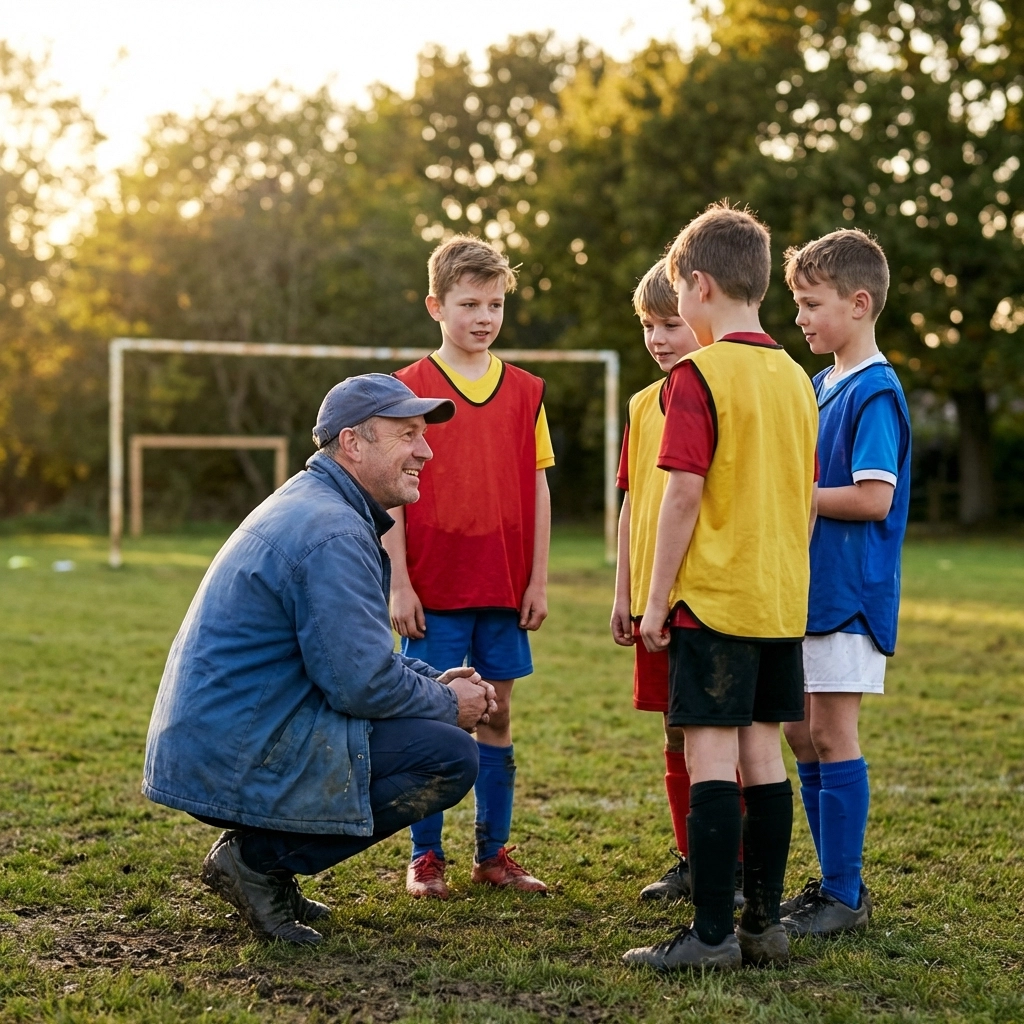
3. Keep Your Messages Simple and Direct
Here's a coaching truth that's easy to forget: less talking = more learning.
Young athletes have shorter attention spans than adults. If you bombard them with lengthy explanations or multiple corrections at once, they'll tune out. NBA legend Red Auerbach put it perfectly, over-coaching and excessive talking kills effectiveness.
How to simplify your communication:
- Focus on one thing at a time. No athlete can fix five mistakes simultaneously. Pick the most important correction and stick with it.
- Use short, clear sentences. "Bend your knees" beats a two-minute explanation of biomechanics.
- Avoid jargon. If a 10-year-old wouldn't understand it, rephrase it.
- Pause after instructions. Give athletes time to process before adding more.
Think of your instructions like text messages, not essays. Get to the point, then let them practise.
4. Master Active Listening
Communication isn't just about what you say, it's about how well you listen. When young athletes feel genuinely heard, they open up, engage more, and trust you faster.
Active listening techniques:
- Ask open-ended questions like "What did you notice during that drill?" or "How did that feel?" This encourages them to think and verbalise their experience.
- Don't interrupt. Let them finish before responding.
- Reflect back what they've said. "So you're saying the turn felt awkward?" shows you're paying attention.
- Ask permission before giving feedback. "Are you open to some feedback on that?" creates collaboration rather than criticism.
This approach helps developing brains process information better. When athletes verbalise their thoughts, they learn faster and feel more in control.
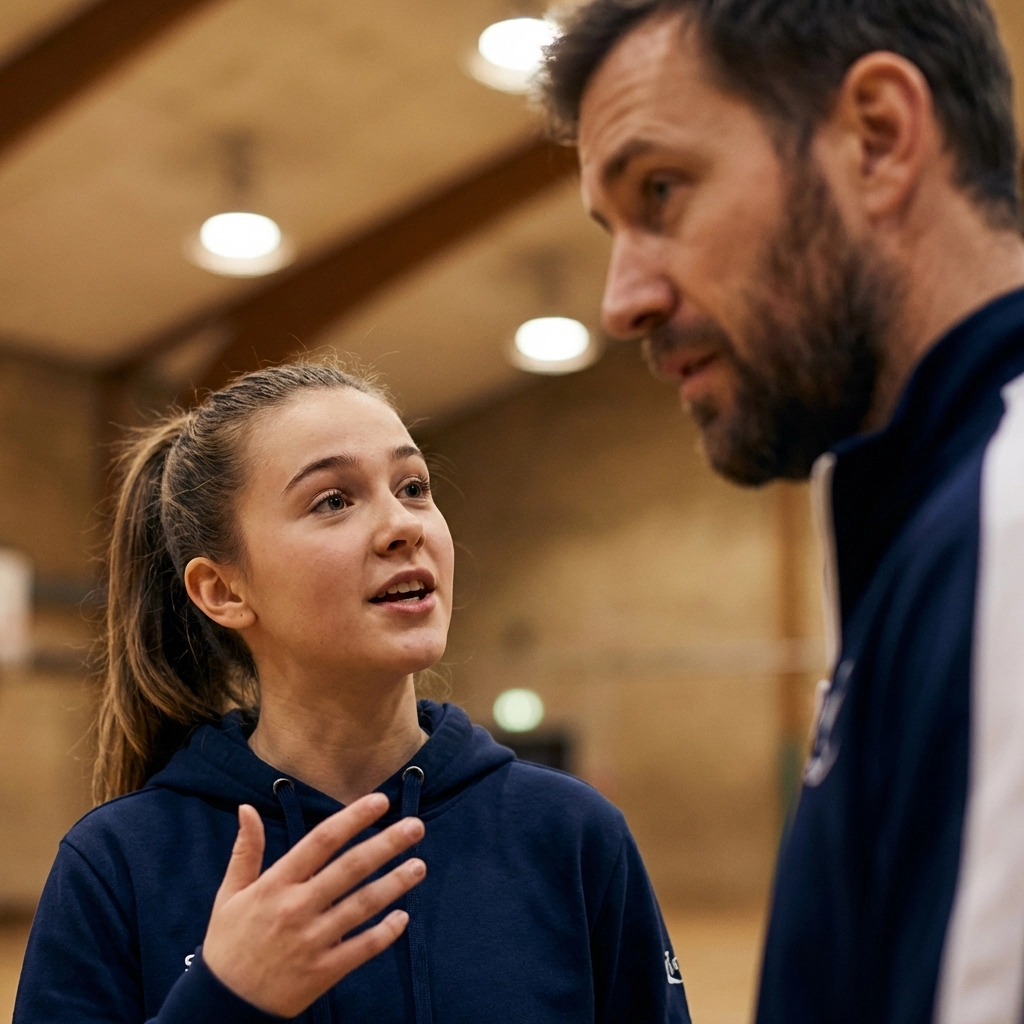
5. Get On Their Level, Literally
Ever noticed how intimidating it can be when someone towers over you while talking? Young athletes feel this even more strongly.
Simple adjustments that make a big difference:
- Take a knee or crouch down when speaking to younger children
- Sit beside them on the bench rather than standing over them
- Make consistent eye contact (without staring them down!)
- Match your energy to the situation, calm for serious chats, enthusiastic for motivation
These small physical changes reduce the "authority figure" barrier and help athletes actually hear what you're saying.
6. Vary Your Communication Methods
Not every athlete learns the same way. Some respond brilliantly to verbal instructions. Others need to see it, feel it, or read it.
Mix up your approach:
- Demonstrations, show them what you mean, not just tell them
- Videos, short clips of technique can be more effective than 10 explanations
- Visual cues, cones, markers, or diagrams help spatial learners
- Written prompts, some athletes prefer to reflect in writing rather than talking
- Peer learning, let athletes explain drills to each other
If an athlete struggles with direct verbal communication, don't assume they're not listening. They might just need a different method to click.
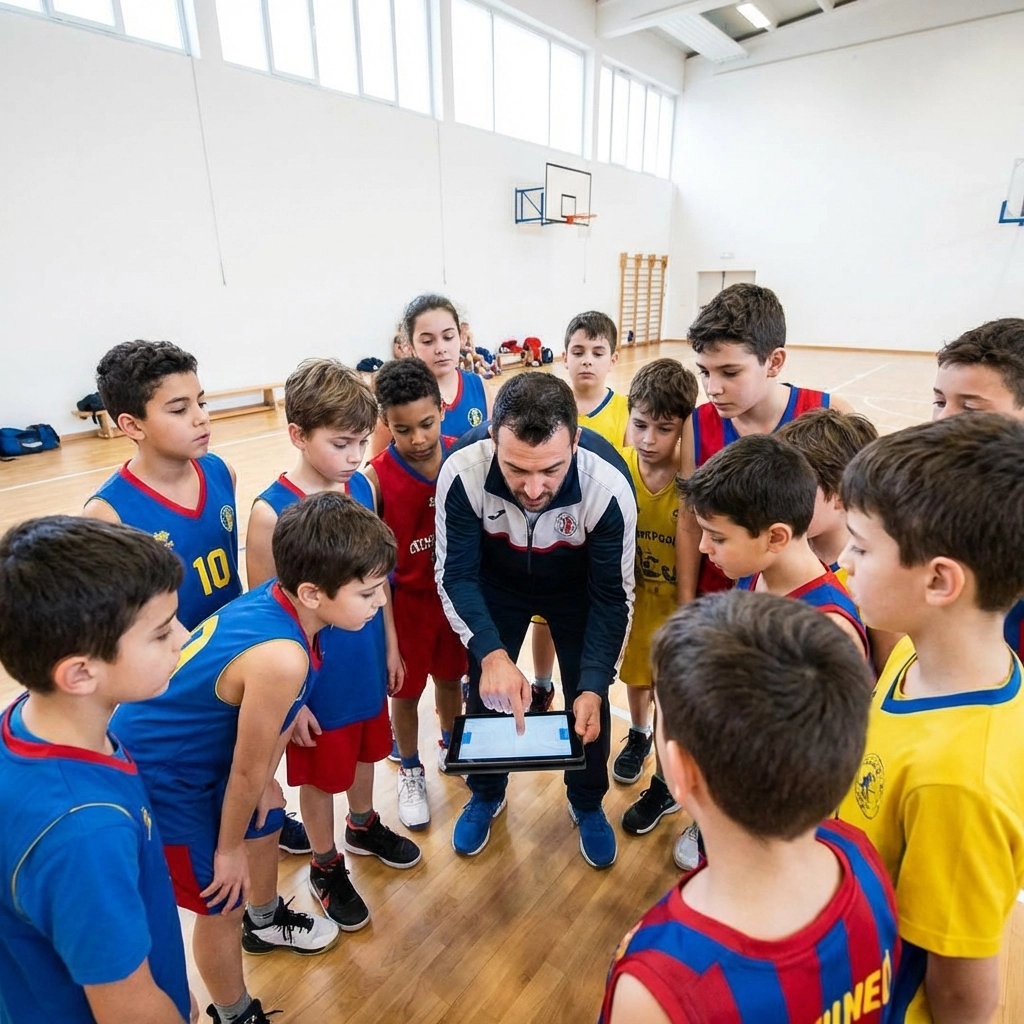
7. Be Authentic and Reliable
Young athletes have excellent radar for fake praise and insincerity. If you don't mean it, they'll know.
How to build trust through authenticity:
- Give honest, specific praise. "Great footwork on that turn" beats a generic "Good job!"
- Admit when you don't know something. "I'm not sure, let me find out" builds more trust than bluffing.
- Follow through on promises. If you say you'll do something, do it.
- Stay consistent. Athletes thrive when they know what to expect from you.
Your reliability as a coach directly affects how athletes respond to your communication. Be someone they can count on.
8. Common Communication Mistakes to Avoid
Even experienced coaches slip into bad habits. Watch out for these:
| ❌ Mistake | ✅ Better Approach |
|---|---|
| Talking too much during drills | Keep instructions brief, then let them play |
| Only giving feedback when things go wrong | Catch them doing things right, too |
| Using sarcasm or embarrassment | Keep feedback private and constructive |
| Assuming one style fits all | Adapt to individual learning preferences |
| Ignoring quiet athletes | Actively seek them out for check-ins |
9. Putting It All Together: Your Communication Checklist
Before your next session, run through this quick checklist:
- ✅ Have I connected with each athlete recently (even briefly)?
- ✅ Am I focusing on one key point per drill or exercise?
- ✅ Am I asking questions as well as giving instructions?
- ✅ Have I varied my communication methods this session?
- ✅ Am I being honest and authentic with my feedback?
Small improvements in communication lead to massive gains in athlete confidence, engagement, and performance.
FAQs: Coaching Communication with Young Athletes
Q: What if an athlete won't talk to me?
Some young people take time to open up. Keep showing up consistently, use non-verbal communication like high-fives or thumbs up, and try written check-ins if they prefer.
Q: How do I give constructive feedback without crushing confidence?
Sandwich corrections with genuine positives, focus on effort and improvement rather than perfection, and always ask permission before giving feedback when emotions are high.
Q: How often should I check in with each athlete?
Aim for at least a brief individual moment with every athlete weekly. Even 30 seconds of genuine attention makes a difference.
Q: Should I communicate differently with different age groups?
Yes! Younger children need shorter instructions and more demonstrations. Teenagers can handle more detail but still appreciate simplicity and respect.
Your Next Step
Communication is a skill: and like any skill, it improves with practice. Pick one strategy from this guide and focus on it during your next session. Notice what changes. Then build from there.
Great coaches never stop learning. The fact that you're reading this means you're already on the right track.
Looking for training gear to support your coaching sessions? Check out our team training equipment and agility training tools to help your young athletes develop their skills.
