

If you're staring at your training budget wondering what speed equipment to buy first, you're not alone. Most coaches and athletes make the same mistake: buying whatever looks impressive online rather than building a strategic kit that actually improves performance.
The truth is, random equipment purchases lead to cluttered training sessions and frustrated athletes. But with the right framework, you can build a speed training kit that delivers real results without breaking the bank.
Here's your step-by-step guide to creating the perfect speed training setup for your team, sport, and budget.
Step 1: Assess Your Specific Training Needs
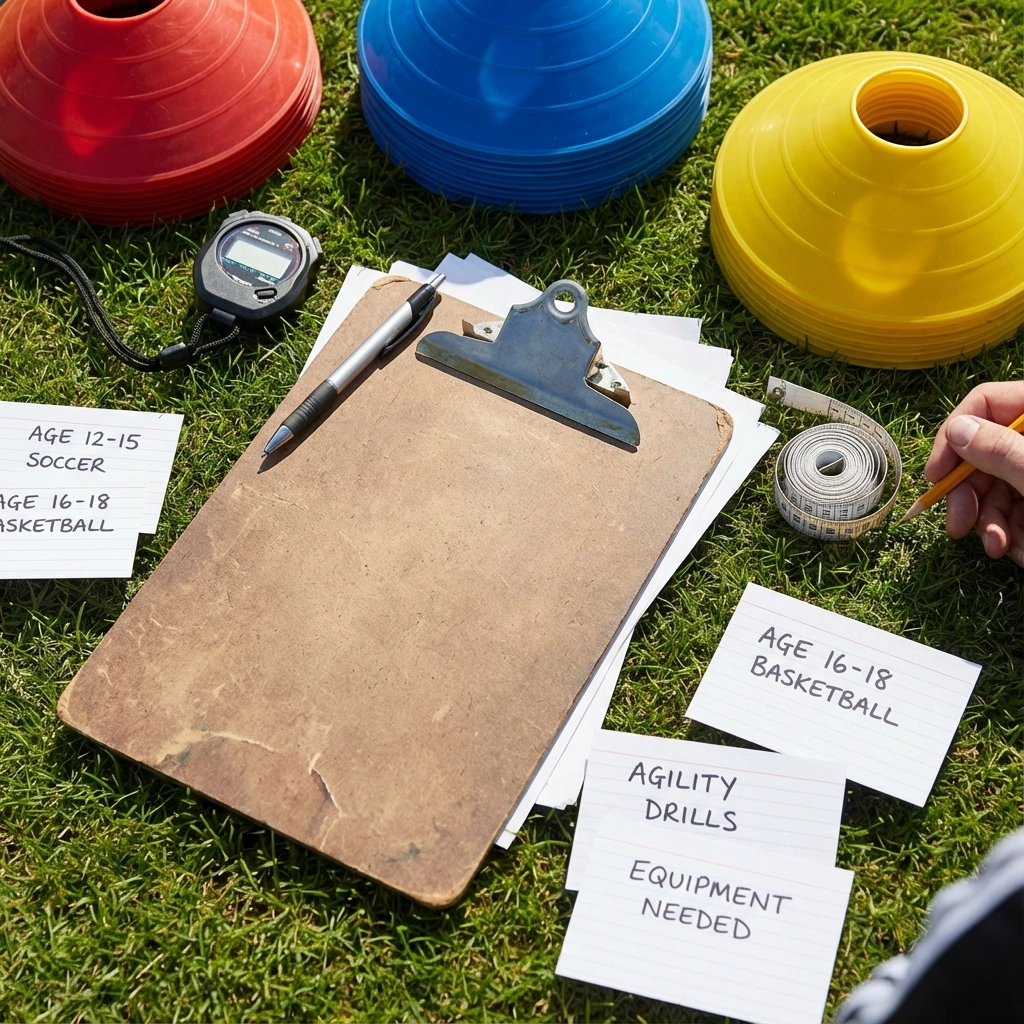
Before you buy a single piece of equipment, take 10 minutes to answer these crucial questions:
What sport are you training for?
• Football requires quick direction changes and acceleration
• Rugby needs powerful starts and collision preparation
• Track athletes focus on linear speed and stride mechanics
• Multi-sport athletes need versatile, adaptable equipment
What age groups are you coaching?
• Youth athletes (8-12): Focus on fun, coordination, basic movement patterns
• Teenagers (13-17): Emphasize proper mechanics and progressive loading
• Adults (18+): Can handle advanced equipment and higher intensities
What's your training environment?
• Indoor gym: Compact, lightweight equipment works best
• Outdoor pitch: You can use larger setups and heavier tools
• Home training: Portable, easy-to-store options are essential
• School setting: Durable equipment that handles multiple users daily
What's your realistic budget?
• Starter kit (£50-100): Essential basics for individual training
• Team setup (£200-400): Equipment for 10-15 athletes
• Professional kit (£500+): Comprehensive setup with advanced tools
Step 2: Build Your Foundation with Versatile Basics
Every effective speed training kit starts with two non-negotiables: agility ladders and training cones. These aren't glamorous, but they're the backbone of proper speed development.
Why agility ladders are essential:
• Improve foot speed and coordination through precise placement drills
• Develop rhythm and timing crucial for all sports
• Work in any space - gym, pitch, or garage
• Cost under £20 but provide unlimited drill variations
Training cones - your most versatile tool:
• Create shuttle runs, T-drills, and zig-zag patterns
• Adjust spacing for different ages and skill levels
• Lightweight enough for athletes to set up themselves
• Essential for teaching proper change of direction mechanics
Pro tip: Start with 8-10 cones and one quality ladder. You can run effective sessions for months with just these basics while you save for additional equipment.
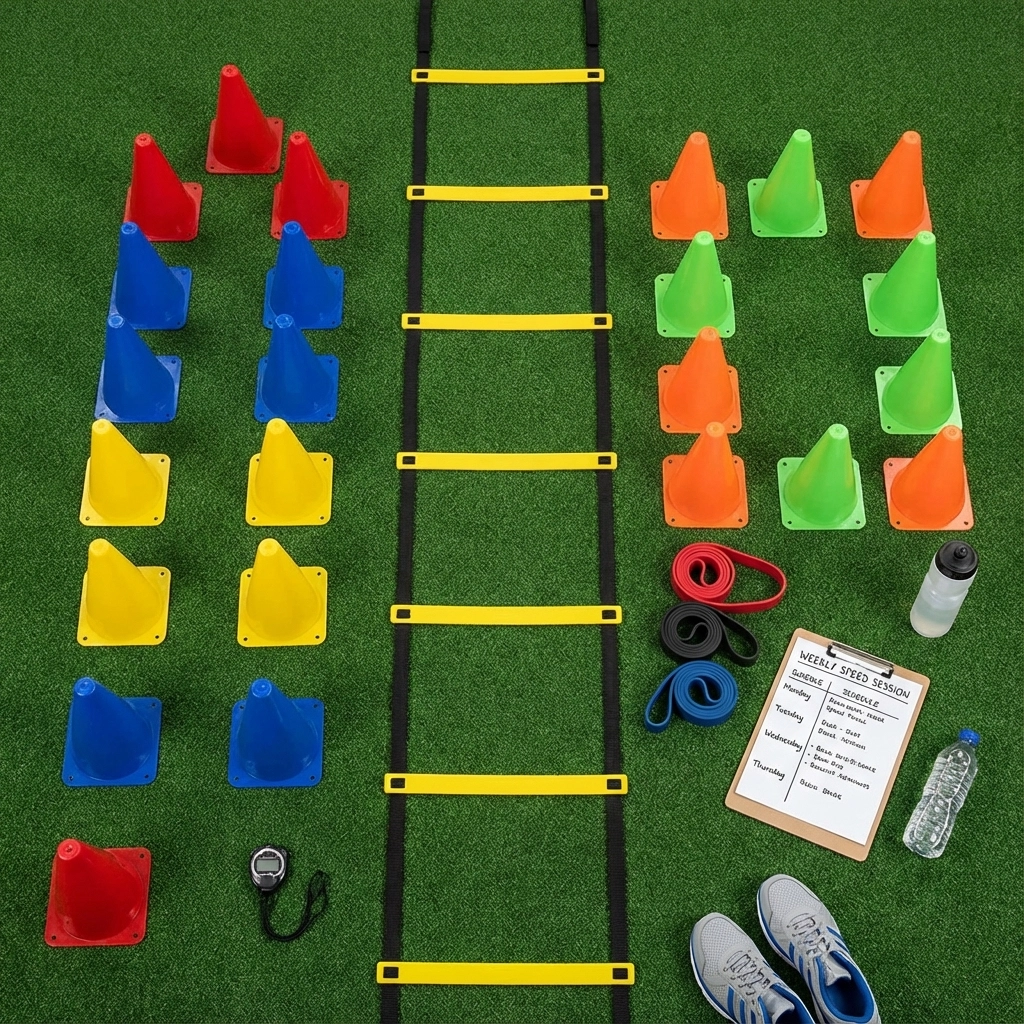
Foundation equipment checklist:
• 1 agility ladder (4-6 meters)
• 8-10 training cones (bright orange or yellow)
• Basic stopwatch or phone timer
• Measuring tape for consistent setup
This foundation costs roughly £40-60 but handles 80% of your speed training needs. Master the fundamentals before adding complexity.
Step 3: Add Strategic Resistance Tools
Once your athletes demonstrate proper mechanics with basic drills, it's time to add resistance equipment. This builds the power and strength needed for explosive acceleration.
Resistance bands - maximum versatility, minimum cost:
• Perfect for resisted sprints and hip strengthening
• Portable enough for travel and away games
• Multiple resistance levels in one affordable set
• Excellent for injury prevention and activation work
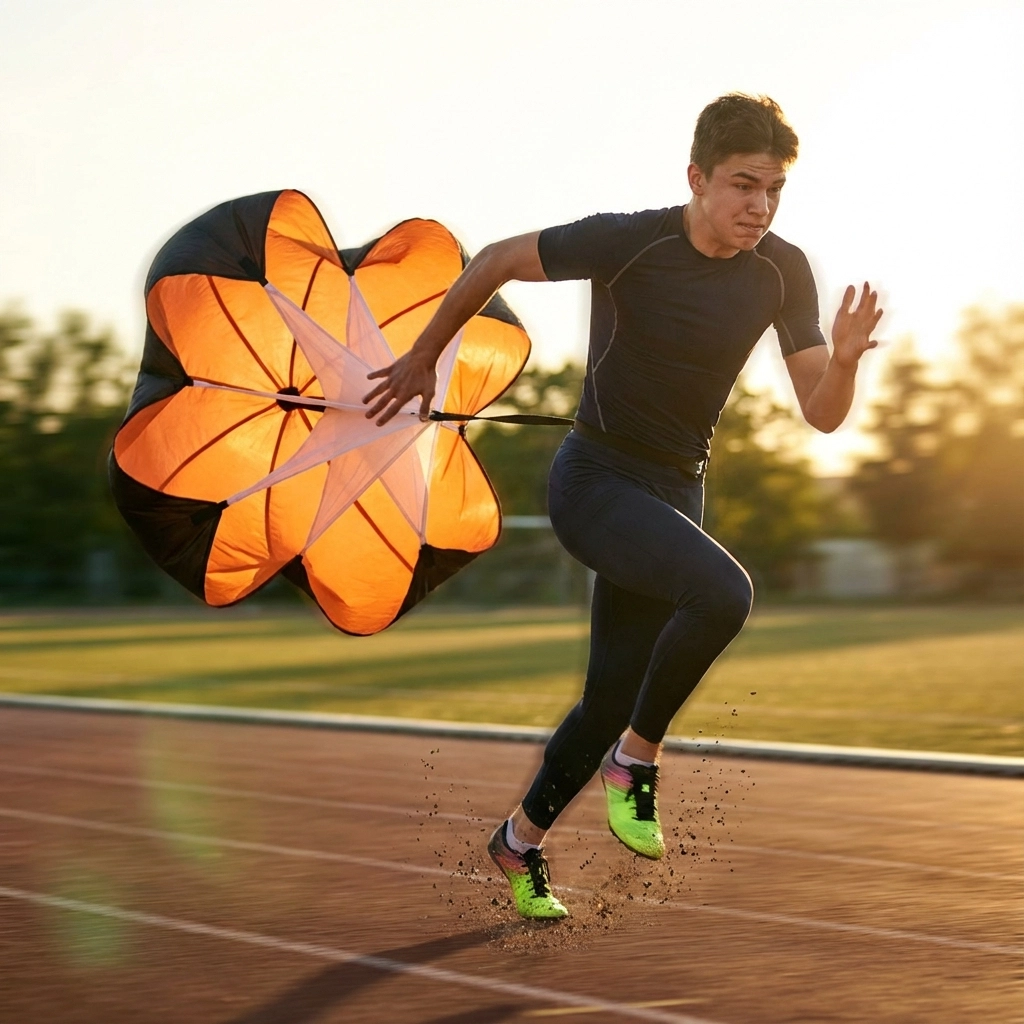
When to add parachutes and sleds:
• Athletes can maintain good form at full sprint
• You have adequate space (minimum 30-40 meters)
• Budget allows for £80-150 investment per tool
• Training focus shifts toward maximum speed development
Resistance progression guidelines:
• Week 1-2: Bodyweight drills only
• Week 3-4: Light resistance bands
• Week 5-8: Medium resistance or parachute introduction
• Week 9+: Full resistance tools as technique allows
Safety red flags - stop immediately if you see:
• Technique breakdown under resistance
• Athletes straining or forcing movements
• Complaints of unusual soreness or discomfort
• Loss of speed compared to unresisted runs
Remember: resistance should challenge your athletes while maintaining perfect sprinting mechanics. If form deteriorates, reduce the load.
Step 4: Incorporate Power Development Equipment
Speed isn't just about moving fast - it's about generating explosive force quickly. This is where plyometric equipment becomes crucial for serious speed development.
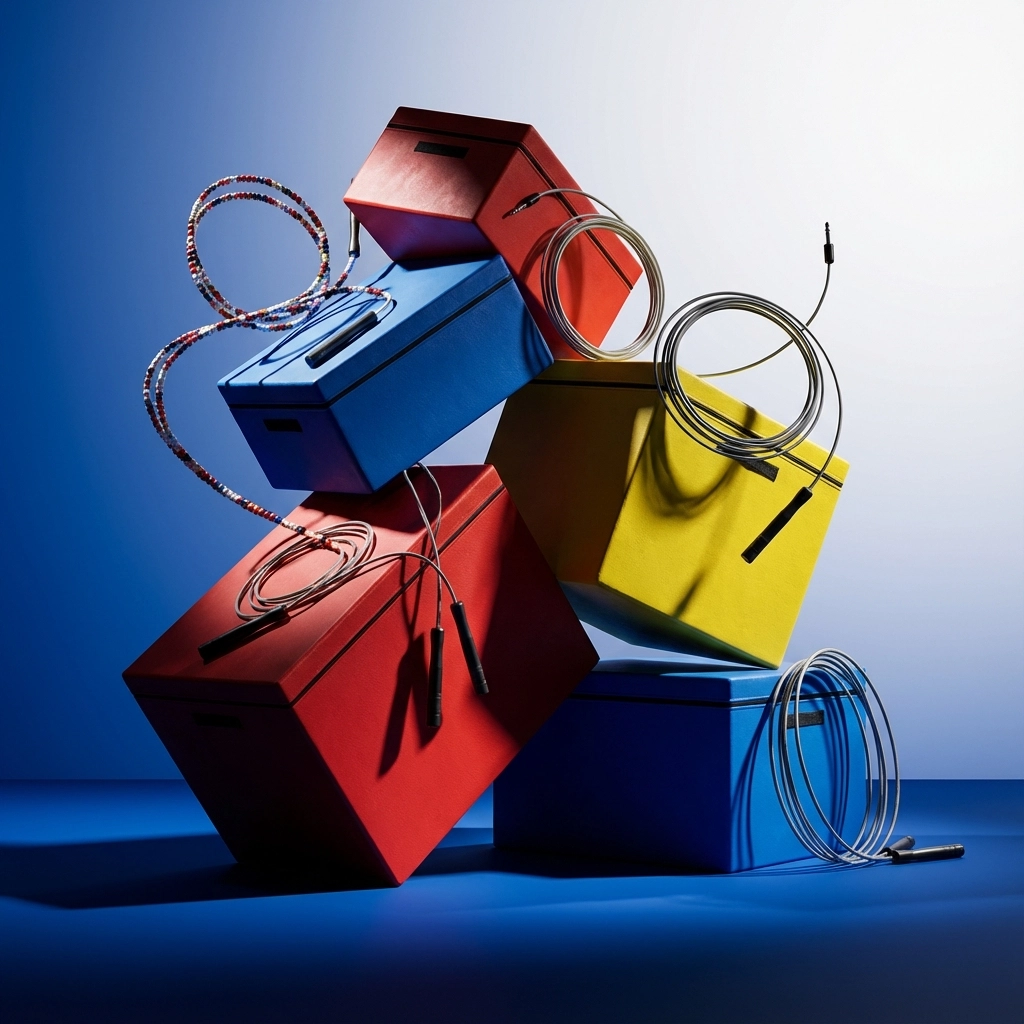
Plyometric boxes - build explosive power:
• Develop fast-twitch muscle fibers essential for acceleration
• Improve ability to accelerate and decelerate rapidly
• Multiple heights accommodate different skill levels
• Relatively small investment (£60-120) with massive impact
Jump ropes - the underrated speed tool:
• Improve foot speed and coordination simultaneously
• Enhance cardiovascular fitness for repeated sprints
• Perfect warm-up and cool-down tool
• Costs under £15 but delivers professional-level benefits
Equipment integration timeline:
• Months 1-2: Foundation tools only
• Months 3-4: Add resistance equipment
• Months 5-6: Introduce plyometric tools
• Months 7+: Combine all elements strategically
Age-appropriate plyometric guidelines:
• Ages 8-12: Low boxes (15-30cm), focus on landing mechanics
• Ages 13-17: Medium boxes (30-45cm), progressive loading
• Ages 18+: Full range of heights based on ability
Common plyometric mistakes to avoid:
• Starting with boxes too high
• Excessive jump volume in single sessions
• Poor landing technique (knees caving inward)
• Ignoring rest periods between explosive efforts
Quality over quantity applies especially to power development. Better to perform 5 perfect jumps than 20 sloppy ones.
Step 5: Create Your Progressive Integration Plan
The best equipment in the world won't improve speed without a strategic plan. Here's how to integrate your new tools effectively:
Weekly structure for beginners:
• Monday: Foundation drills (ladder + cones)
• Wednesday: Add light resistance work
• Friday: Plyometric exercises + cool-down
Intermediate progression:
• Session 1: Technical work + moderate resistance
• Session 2: Power development + speed endurance
• Session 3: Maximum speed + competition simulation
Advanced integration:
• Combine multiple tools within single sessions
• Vary resistance levels throughout training blocks
• Include competition-specific movement patterns
• Monitor fatigue and adjust intensity accordingly
Equipment rotation strategy:
Rather than using all equipment every session, rotate tools based on training priorities:
• Technical weeks: Focus on ladders and cones
• Power weeks: Emphasize plyometric equipment
• Speed weeks: Utilize resistance tools
• Competition weeks: Light technical work only
Budget-friendly equipment timeline:
• Month 1: Purchase foundation tools (£40-60)
• Month 3: Add resistance bands (£20-40)
• Month 6: Invest in plyometric boxes (£60-120)
• Month 9: Consider parachutes or sleds (£80-150)
This spreading approach prevents budget shock while ensuring you master each tool before adding complexity.
Making Your Investment Count
Building an effective speed training kit isn't about buying everything at once - it's about strategic selection and progressive integration. The coaches who see the best results are those who master the basics before chasing advanced equipment.
Your immediate action plan:
- Assess your specific needs using the questions in Step 1
- Purchase foundation equipment (ladder + cones) this week
- Run basic sessions for 4-6 weeks to establish proper mechanics
- Add one new tool monthly based on athlete progress
- Track performance improvements to justify future investments
Remember: the perfect speed training kit is the one that matches your athletes' needs, your training environment, and your budget. Start simple, build progressively, and watch your athletes' speed development accelerate.
Ready to build your strategic speed training setup? Check out our agility training collection for UK-sourced equipment that delivers professional results without the premium price tag.


