
Top Ways Coaches Can Motivate Young Athletes (Beyond Winning)
by Paul Harwood
·
Let's be honest: winning feels great. But if you're a youth coach, you already know that trophies and medals only tell part of the story. The real magic happens when young athletes show up excited, give their best effort, and leave practice feeling proud of themselves.
If you've ever wondered how to keep your players motivated when the scoreboard isn't in their favour, you're not alone. The good news? There are plenty of ways to inspire young athletes that have nothing to do with winning. And these methods actually build stronger, more confident players in the long run.
Here are the top strategies to help you motivate the youngsters on your team: no matter what sport you coach.
1. Focus on Effort, Not Just Results
One of the biggest shifts you can make as a coach is praising effort over outcomes. When a young athlete tries their hardest but doesn't score or win, that effort still matters. A lot.
Why this works:
- Kids learn that hard work is valuable, even when results don't go their way
- It builds resilience and a growth mindset
- Athletes become less afraid of failure and more willing to take risks
Try this: Instead of saying "Great goal!", try "I loved how you kept chasing the ball even when you were tired." Specific praise tied to effort sticks with young athletes far longer than generic compliments.
2. Set Personal Goals Together
Goals give young athletes something concrete to work towards. But here's the key: make them personal, not just team-based.
Use the SMART goal framework:
- Specific – What exactly do they want to improve?
- Measurable – How will they track progress?
- Achievable – Is it realistic for their skill level?
- Relevant – Does it matter to them personally?
- Time-sensitive – When do they want to achieve it?
For example, instead of "get better at passing," a SMART goal might be: "Complete 5 successful passes in each game over the next month."
Encourage your athletes to write their goals down and review them regularly. When they hit a milestone: no matter how small: celebrate it together.

3. Make Training Fun and Engaging
Here's a truth that's easy to forget: kids play sport because they enjoy it. The moment practice feels like a chore, motivation drops off a cliff.
Ways to keep things fun:
- Mix up drills so sessions don't feel repetitive
- Use games and challenges instead of boring routines
- Let athletes have input on activities occasionally
- Keep instructions simple and age-appropriate
- Add friendly competitions within the team
Think of drills like dance moves: they need rhythm and variety to keep everyone engaged. A 10-minute game that teaches the same skill as a 10-minute drill will almost always get better results with youngsters.
4. Build Real Relationships With Your Athletes
Young athletes are far more motivated when they feel genuinely connected to their coach. This doesn't mean being their best mate: it means showing you care about them as people, not just players.
Simple ways to build connection:
- Learn their names (and use them often)
- Ask about their week, school, or hobbies
- Remember small details they've shared with you
- Show up consistently and be present at their events
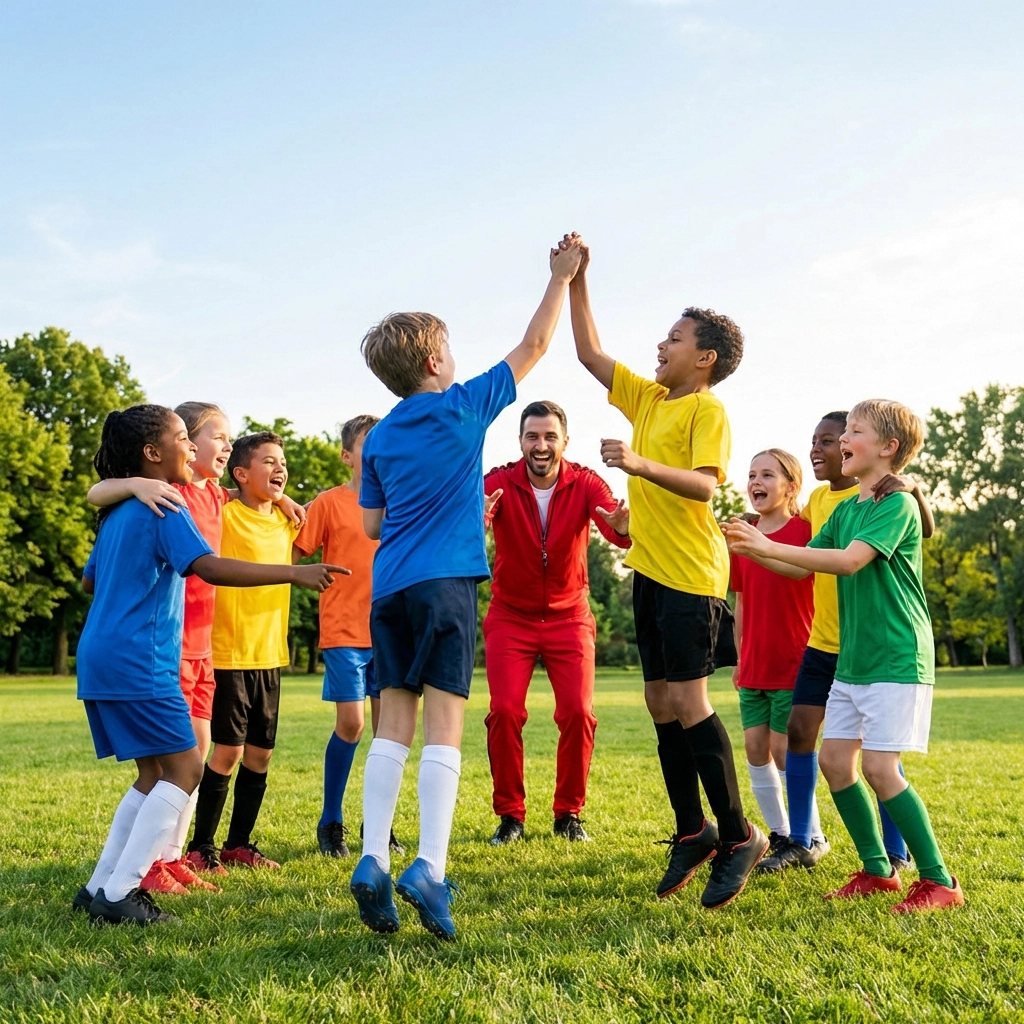
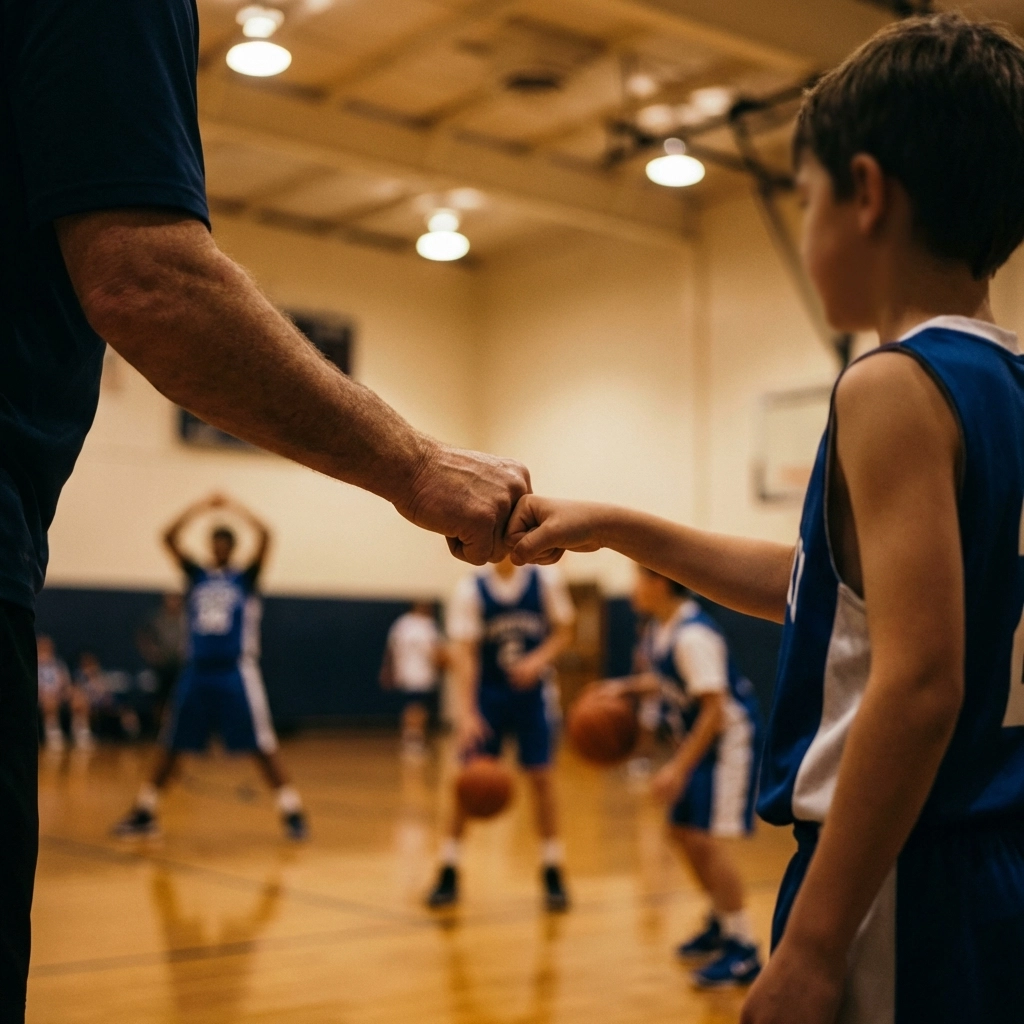
- Use positive body language: high fives, fist bumps, eye contact
When athletes know you believe in them, they'll work harder for you. It's that simple.
5. Recognise Improvement: Publicly and Privately
Recognition is a powerful motivator, especially for young people. But here's the trick: be specific about what you're recognising.
Instead of: "Well done today!"
Try: "I noticed you kept your head up during that drill: that's a big improvement from last week."
Public recognition (like a shout-out during practice) builds confidence and encourages teammates to support each other. Private recognition (a quiet word after training) shows an athlete you're paying attention to their individual journey.
Both matter. Use them wisely.
6. Foster Healthy Competition
Competition isn't a bad thing: it can actually boost motivation when handled correctly. The key is to frame it as a way to improve, not a way to beat others down.
Tips for healthy competition:
- Encourage athletes to compete against their own previous performances
- Pair athletes of similar skill levels for challenges
- Celebrate effort and sportsmanship, not just who wins
- Avoid comparisons that might embarrass or discourage anyone
A simple example: time an athlete doing a drill, then challenge them to beat their own time next week. This keeps the focus on personal growth rather than outshining teammates.
7. Understand What Drives Each Individual
Not every young athlete is motivated by the same thing. Some love the social side. Others thrive on competition. A few just want to get better at their sport.
Take time to discover what makes each player tick:
- Fun seekers – Keep things light and playful
- Social butterflies – Emphasise teamwork and friendships
- Competitive spirits – Give them challenges and targets
- Skill builders – Focus on technique and improvement
When you tap into an athlete's personal motivation, they'll naturally want to give more.
8. Model the Energy You Want to See
Your attitude is contagious. If you show up tired, distracted, or negative, your athletes will mirror that energy. But if you bring enthusiasm and positivity, they'll feed off it.
Quick wins for modelling great energy:
- Greet athletes with a smile when they arrive
- Stay engaged during drills: don't just stand on the sidelines
- Celebrate small wins loudly
- Stay calm and constructive when things go wrong
- Show genuine excitement about their progress
Young athletes are always watching. Be the coach you'd want to play for.
9. Avoid Over-Relying on External Rewards
Stickers, certificates, and treats have their place: but use them sparingly. When rewards become the main motivator, kids start playing for the prize instead of the love of the game.
Better alternatives:
- Verbal praise and recognition
- Extra responsibility or leadership roles
- Choosing the next drill or game
- A high five or fist bump from the coach
The goal is to build intrinsic motivation: where athletes want to improve because it feels good, not because there's a reward waiting.
10. Create a Safe Space for Mistakes
Fear of failure kills motivation faster than almost anything else. If young athletes are scared of making mistakes, they'll hold back, stop trying new things, and lose confidence.
How to create a safe environment:
- Treat mistakes as learning opportunities, not failures
- Avoid public criticism or embarrassment
- Share stories of famous athletes who failed before succeeding
- Praise athletes for trying, even when it doesn't work out
When kids feel safe to mess up, they'll push themselves further: and that's where real growth happens.
Common Mistakes Coaches Make (And How to Avoid Them)
Even well-meaning coaches can fall into traps that hurt motivation. Watch out for these:
| Mistake | Better Approach |
|---|---|
| Only praising the best players | Recognise effort across the whole team |
| Focusing too much on winning | Celebrate improvement and teamwork |
| Using the same drills every session | Mix things up to keep it fresh |
| Ignoring quieter athletes | Check in with everyone regularly |
| Getting visibly frustrated | Stay calm and constructive |
Final Thoughts: It's About More Than the Scoreboard
Motivating young athletes isn't about fancy techniques or complicated psychology. It's about showing up, paying attention, and making them feel valued: win or lose.
When you focus on effort, build real connections, and create a positive environment, you'll see your athletes flourish. Not just on the field, but in confidence, resilience, and love for the game.
That's the kind of impact that lasts a lifetime.
Ready to level up your coaching toolkit? Check out our training guides for more tips on developing young athletes. You've got this, coach! 💪
